










Ready to try eSIMs and change the way you stay connected?
Download the Airhub app to purchase, manage and top up your eSIMs anytime, anywhere!
App exclusive5% off at checkout
Learn easy tips for travel sustainably. Help the planet, support ecotourism, and enjoy your trip without harming nature or local communities.

Most advice about sustainable travel falls into one of two traps: it either guilt-trips you for daring to board a plane, or it hands you a tidy list of feel-good swaps and pretends a metal straw offsets a transatlantic flight. Neither is honest, and neither actually helps. The truth sits in between. Travel leaves a footprint on the climate, on the places we visit, on the people who live there and the goal isn't to stop going. It's to go smarter, in ways that are usually easier, and often cheaper, than you'd expect.
So this guide skips the lecture. We'll look at what sustainable travel actually means, why it's worth caring about, and the practical moves that make a real difference separating the big levers that genuinely move the needle from the small swaps that only help at the margins.

Ask most people to define sustainable travel and they'll mention the environment and stop there. That's only half of it. Real sustainable tourism is a balancing act: protecting the environment, yes, but also respecting the cultures you're a guest in and making sure your money actually reaches the communities hosting you. Boil it down and it's two moving parts reduce the harm your trip does, and increase the good.
The vocabulary can get confusing, so it's worth untangling. Ecotourism is responsible travel centered on natural areas. Regenerative travel pushes further, trying to leave a place in better shape than you found it. Both are narrower versions of the same instinct. For the rest of us, "traveling sustainably" really just means being a bit more deliberate across three fronts: the planet, the people, and the local economy.

Tourism is booming again and that's a genuinely good thing for the economies and communities that depend on it. But scale cuts both ways. All those trips add up to carbon emissions, overtourism in the same handful of honeypot cities, water supplies stretched thin, and plastic waste piling up in the places least equipped to deal with it.
The hopeful part? Travelers genuinely want to do better. What trips most people up isn't willingness it's knowing where to start. That's what the rest of this guide is for.
None of this asks you to become a different traveler overnight. Skim the list, and pick the handful you'll actually keep up.

The "five cities in seven days" itinerary looks impressive on paper and feels like a forced march in practice and all that hopping around quietly runs up your carbon bill. Staying longer in fewer places is the rare choice that's both lower-impact and simply a better trip; you get to know a neighborhood instead of speed-running its greatest hits. Where you can, dodge the over-touristed hotspots and travel in shoulder season. You'll take pressure off the places buckling under crowds and steer your money toward the ones that actually want it.

How you get around is one of the biggest levers you have, full stop. Over shorter distances, trains and coaches beat flying by a wide margin on emissions and you see the country scroll past instead of a cloud layer. Once you've arrived, walk, cycle, or ride public transit before you reach for a rental car.

Some emissions just aren't avoidable, especially on long-haul routes. Carbon offsetting lets you fund projects reforestation, renewable energy, and the like to balance out what you couldn't design away. It isn't a free pass, though, and offset quality ranges from excellent to near-meaningless, so go with a reputable, verified provider rather than whatever cheap checkbox appears at booking.

Plastic is tourism's most visible mess, and happily one of the easiest to chip away at. The fixes are almost embarrassingly simple: carry a refillable bottle (with a built-in filter if you're unsure about the tap water), pack reusable cutlery and a tote, wave off the straw, and don't panic-buy single-use "travel stuff" you'll use exactly once. Reusing what's already in your cupboard beats buying shiny new "eco" gear every time.
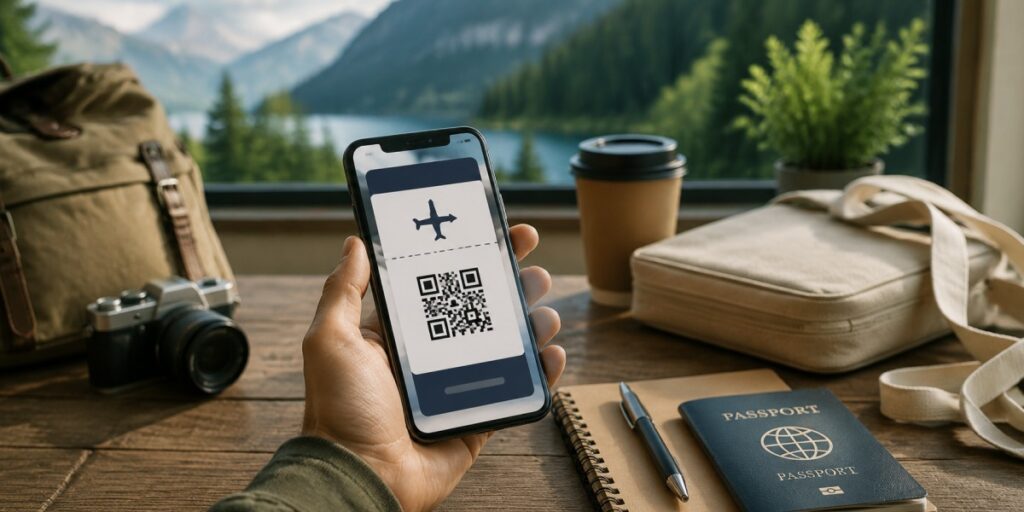
Going digital saves paper, spares you hassle, and trims a little waste on the side. Use e-tickets and e-visas, download your maps and apps before you fly, and lean on contactless payments instead of a wallet full of printouts and brochures.
A travel eSIM belongs in this bucket too and it's worth being straight about it. A digital SIM is one less scrap of plastic to manufacture and ship, and it spares you swapping fiddly cards at the airport: download a plan, scan a QR code, land already online. Useful and tidy a modest environmental plus, not a planet-saving act, and we won't pretend otherwise. Browse Airhub's data plans.

Where your money lands matters as much as how much of it you spend. Pick locally owned guesthouses over international chains, eat where locals eat, buy from markets and artisans, and book tours led by local guides. It keeps tourism income circulating in the community instead of leaking straight back out to head offices abroad and, not coincidentally, it's usually the more memorable way to travel.

The destination on your itinerary is someone else's home. Read up on local customs and etiquette before you arrive, learn a few words of the language, cover up at religious or sacred sites, and always ask before you photograph someone. Follow local laws and guidelines, and try to leave places the way you found them. It's a low bar, and a surprising number of travelers still trip over it.

Where you sleep is part of your footprint too. Look for hotels carrying recognized sustainability certifications. Then do the small stuff once you're in the room: reuse your towels and linens, decline daily housekeeping you don't need, and switch off the lights, AC, and electronics when you head out for the day.

National parks and protected areas often run on visitor fees money that funds conservation and supports the communities around them so showing up, respectfully, genuinely helps. The etiquette is straightforward: stick to marked trails, give wildlife a wide berth, follow the posted rules, and pay the entry or usage fees without grumbling. "Leave no trace" isn't a slogan to nod along to; it's the entire deal.
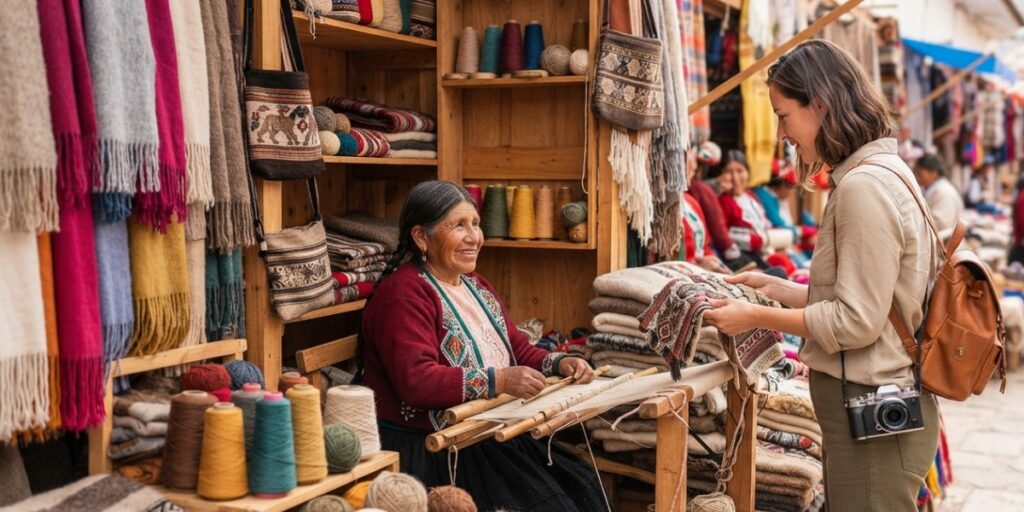
Nobody needs twenty fridge magnets. A lot of souvenirs are mass-produced and shipped halfway around the world before you ever "bring them home," and some are made from materials that are illegal or endangered. Better options: take photos instead of trinkets, spend on an experience like a cooking class or a local tour, or buy one or two genuinely handmade things straight from the person who made them. The point was never to buy nothing it's to buy better.

Here's what most sustainability guides won't tell you outright: these choices are nowhere near equal in weight. Refilling a water bottle is a good habit, but it won't cancel out a long-haul flight not even close. The decisions that genuinely move the needle are the big, uncomfortable ones: how often you fly, how far, and how long you stay once you're there. The small swaps still count, and keeping them up keeps you honest just don't let a reusable straw fool you into thinking the flying is handled. Know which of your choices actually matter, and spend your effort there.

A quick gut-check to run while you're planning:
For the practical, non-eco side of getting ready, pair this with our international travel checklist.
Traveling in a way that does less harm and more good protecting the
environment, respecting local culture, and supporting the local economy, all while keeping your own impact in check. It's about balance, not perfection.
Tourism is growing fast, and at scale it fuels carbon emissions, overtourism, water strain, and plastic waste. Traveling more thoughtfully is how the places we love stay worth loving for the people who live there and the travelers who come next.
Yes and here's the happy irony: many of the greenest choices are also the cheapest. Public transport, local food, staying put longer in one place, and reusing gear you already own all trim your costs and your footprint at once.
A little, and it's convenient which is the honest way to put it. E-tickets, digital maps, and a travel eSIM shave off some paper and plastic and smooth out your trip. Just keep the scale in mind: digital swaps are minor wins next to the far bigger question of how you fly.
Rethink flying. Fly less often, choose direct routes when you do, stay longer to make each trip count, and take trains or coaches for the shorter hops. Transport is usually the largest slice of a trip's footprint, so that's where your choices carry the most weight.
Get your Airhub eSIM in minutes and travel without roaming surprises.
Download the Airhub app to purchase, manage and top up your eSIMs anytime, anywhere!