










Ready to try eSIMs and change the way you stay connected?
Download the Airhub app to purchase, manage and top up your eSIMs anytime, anywhere!
App exclusive5% off at checkout
Discover surprising Cuba fun facts and travel tips for your next adventure. Learn what to expect on the island and how to stay connected.

Exploring Cuba Travel means diving into a world of colorful culture, historic streets, and surprises. This vibrant Caribbean island offers a treasure trove of fun facts that can delight any curious traveler. From the rhythms of salsa music echoing on every corner to classic American cars cruising past pastel-coloured buildings, Cuba blends old and new in fascinating ways. In this lively blog, we’ll present 15 truly interesting Cuba fun facts. By the end, you’ll see why traveling to Cuba is an adventure like no other!

Cuba, often called the Pearl of the Caribbean, is the largest island in the Caribbean and home to about 11 million people. The country boasts the longest coastline of any Caribbean nation and a tropical climate. Havana, the capital, is famous for its well-preserved Spanish colonial Old Town and vibrant street life.
Cuba also holds more UNESCO World Heritage Sites (nine) than any other Caribbean country, including Old Havana, Trinidad, and the Viñales Valley. With bright colonial cities, lush mountains, and hundreds of idyllic cays, Cuba’s scenery and history give travelers lots to marvel at (and brag about). However, visitors should also be prepared for occasional quirks like power cuts and few modern conveniences, making the adventure part of the fun!
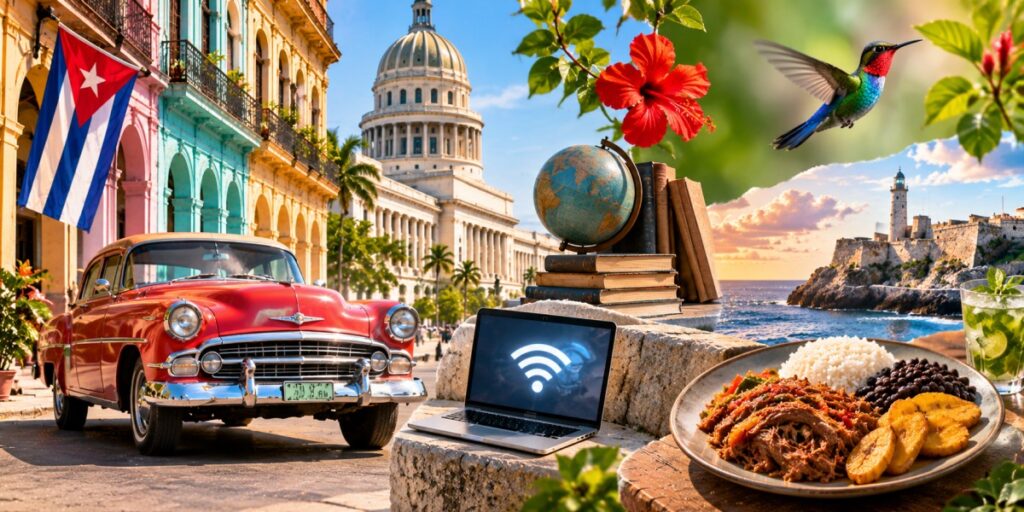
Here are some of the amazing Fun facts Cuba holds that will make you want to visit it once in your lifetime.
Cuba is famous for its fleet of classic American cars from the 1950s. Thanks to the 1960 embargo, locals got creative and kept these beauties running with new engines and makeshift repairs. Riding in a chromed Oldsmobile or Chevy around Havana feels like stepping into a time machine.
Almost everyone in Cuba can read and write. In the 1960s, Cuba undertook a massive literacy campaign involving teachers and students, quickly educating hundreds of thousands. With nearly universal education, Cubans often surprise visitors with their knowledge of poetry, history, and geography.
This is one of the Cuba Fun Facts that Internet access in Cuba has historically been scarce and expensive. Tourists used to queue at park Wi-Fi hotspots, buying scratch-off cards for limited online time. Even today, many resorts have patchy Wi-Fi. (Many travelers see this as a chance to unplug and enjoy Cuba’s charm!) For connectivity on the go, visitors often rely on local SIMs or eSIMs when leaving the island.
Cuba is home to the bee hummingbird, the smallest bird on Earth. These iridescent little birds are just about 2 inches long, smaller than your thumb! Males are bright and flashy, while females are slightly larger. Catching a glimpse of one flitting around Cuba’s gardens is a rare treat.
Until 2021, Cuba had an unusual dual-currency system. Cubans used the Cuban Peso (CUP) for daily life, while tourists used the Cuban Convertible Peso (CUC), pegged to the US dollar. Today there’s only the CUP, but you might still hear old stories about the “tourist peso.” Always exchange money officially and watch for different prices for locals vs. visitors!
You won’t find McDonald’s or Starbucks in Cuba (except the fenced military base in Guantánamo Bay). Instead, enjoy paladares, family-run restaurants serving home-cooked Cuban dishes like ropa vieja (shredded beef) and plantains. This is one of the tastiest Cuban facts: embrace local food for real flavor.
Though baseball is Cuba’s national sport, dominoes is the true Cuban pastime. In every neighborhood, people gather to play intense games on sidewalks and street corners. Watching a domino match is like watching a sport; the clicking tiles, the strategy, the banter- it’s a community event. Many travelers note that buying mango juice and sitting by a game gives a true taste of Cuban life.

Cuba hosts one of Latin America’s top film festivals (the Havana Film Festival), and plenty of movies have been shot on location. Remember the car chase in Fast & Furious 8? It was filmed on Havana’s famous Malecón seaside drive. Filmmakers love Cuba’s vintage look and colorful streets, so don’t be surprised if you spot a movie crew or a film set in the city.
The island truly dances to its own rhythm; music is part of daily life in Cuba. You’ll hear salsa, son, reggaetón, jazz, and more on street corners, at markets, and at late-night parties. Cuban musicians often play where tourists can stop and enjoy, so just stroll through any plaza, and you’re likely to catch an impromptu concert. It’s one of the happiest Fun Facts Cuba has to offer!
Cuba exports more doctors than cigars! Thanks to its strong medical system, Cuba trains a huge number of physicians and sends them to help countries in need. You may not have known this, but Cuban doctors set up clinics worldwide during disasters or epidemics. When talking globally, remember this: Cuban medical aid is famous worldwide.
For its size, Cuba packs in a lot of history and nature. In fact, it has more UNESCO World Heritage Sites (nine) than any other Caribbean country. You can explore Old Havana’s plazas, the colonial town of Trinidad, the Viñales Valley’s tobacco fields, and more. Each UNESCO site tells a piece of Cuban heritage; history buffs should add these to their itinerary.
It is another one of the Cuba Fun Facts that it is #1 in the world for producing cigars. Around 180 million Cuban cigars are rolled each year, and the famous Cohiba brand dates back to the 1800s. In cigar factories, a torcedor (cigar roller) can hand-roll about 120 cigars in a day. Visiting a tobacco farm or seeing a cigar factory demo is a top experience for many travelers.
Off the southern coast is Jardines de la Reina (Queen’s Gardens), a vast marine reserve sometimes called the “Galápagos of the Caribbean”. This protected area is home to amazing sea life like sharks, turtles, and colorful corals. Its name was given in honor of Queen Isabella I of Spain, and conservation efforts here make it a diver’s paradise.
It is one of the fun facts about Cuba that Isla de la Juventud (Isle of Youth) earned its name from pirates. Its hidden coves inspired Robert Louis Stevenson’s Treasure Island. Back when Spanish treasure fleets passed by, buccaneers used this island as a base. Today it’s a peaceful place; you won’t find buried chests, but the island’s history is a real-life adventure.
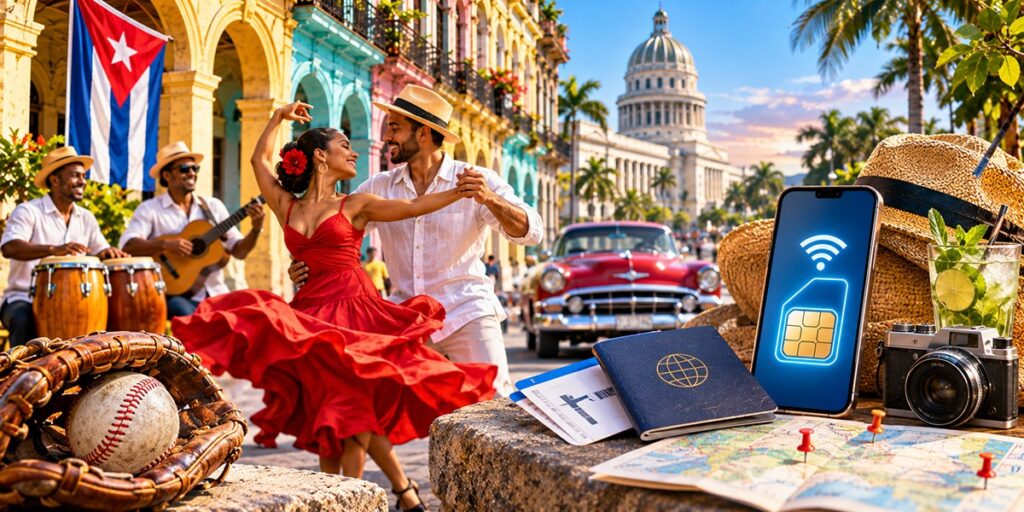
Baseball and salsa dancing rule Cuban culture (okay, that’s two fun facts in one!). Cuba has produced legendary baseball players, and its leagues are hugely popular. And salsa (and its cousin mambo) is in the air: locals love to dance, and tourists often find themselves joining a street party. One unexpected note: UNESCO even inscribed Cuban rumba (another Afro-Cuban music/dance) on its Intangible Cultural Heritage list, celebrating Cuba’s musical legacy.
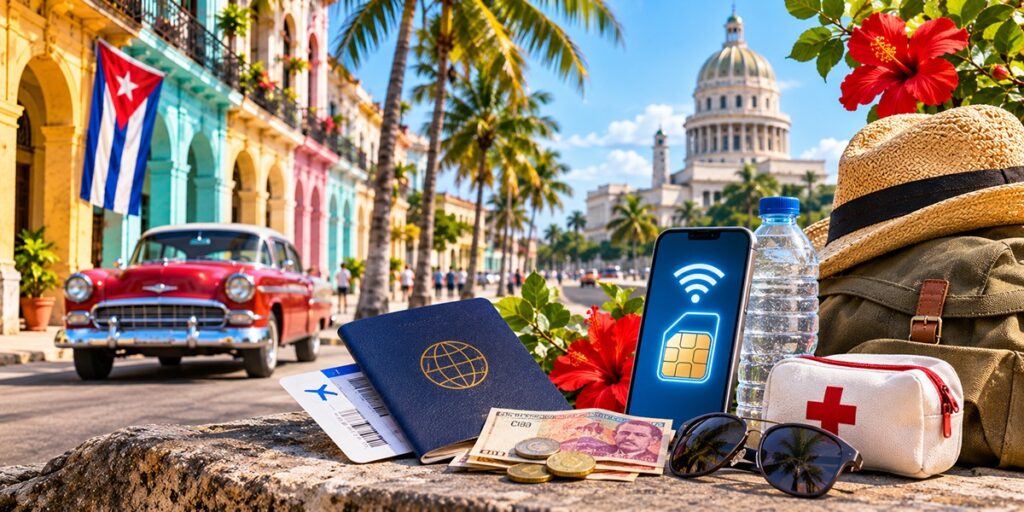
If you are traveling to Cuba at any time of the year, then there are a few tips to keep in mind, which are mentioned below.
1. Visa & Entry: Most visitors need a tourist card (a type of visa) to enter Cuba, and travelers must declare a permitted reason for the trip. Americans should note that "tourist" travel from the U.S. is restricted by law. Plan ahead and make sure your passport is valid for 6 months.
2. Money Matters: Cuba now has one currency (CUP) for all, but bring major foreign currency to exchange. U.S. credit and debit cards generally do not work in Cuba. Instead, carry cash and exchange it for Cuban pesos at banks or CADECA exchange offices.
3. Language & Culture: Spanish is the official language, and English is not widely spoken outside tourist spots. Learning basic phrases (hola, gracias, por favor) goes a long way. Cubans are very friendly and curious; a smile or handshake is the polite greeting.
4. Staying Connected: Internet is limited. Many travelers buy Wi-Fi access cards (sold by the state provider ETECSA) and use hotel or public Wi-Fi hotspots for email and social media. Mobile data is slow and expensive, so many visitors opt to “unplug” and enjoy the moment. For longer trips, consider setting up an cuba eSIM.
5. Safety & Health: Cuba is generally safe, violent crime is relatively low, and locals are welcoming. That said, use common sense (watch your belongings in crowded areas and don’t flaunt valuables). Stick to bottled water (or bottled iced tea) and avoid raw salads or ice to prevent stomach upsets.
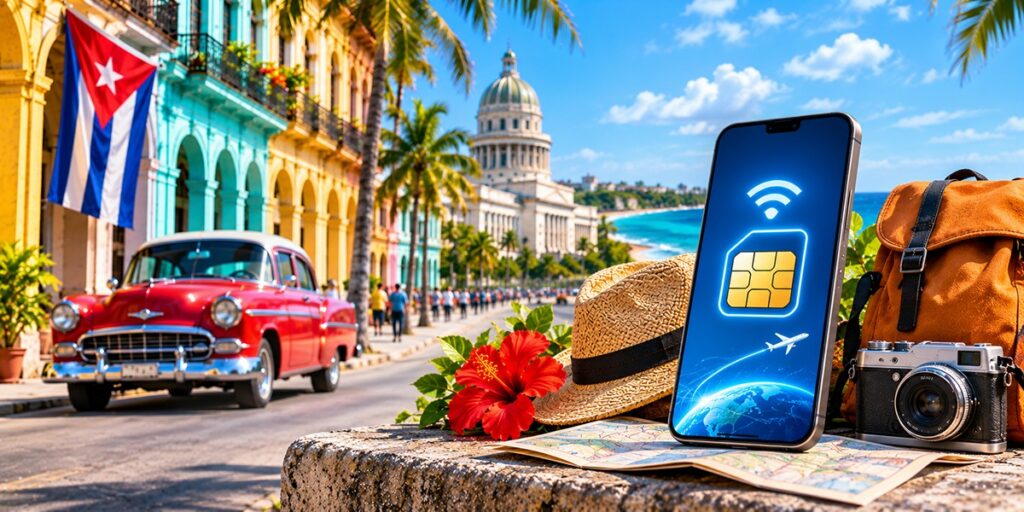
When you’re exploring Cuba (or hopping around the Caribbean), staying connected can be a challenge. That’s where Airhub’s travel eSIM comes in. Airhub offers data and voice plans for 190+ countries, so you can set up your phone before you land. With the Airhub mobile app, travelers can buy a plan instantly, scan the QR code, and have data ready as soon as they arrive. This way, you keep your home SIM active for calls and OTPs while using the Airhub eSIM for fast 4G/5G internet. You can also go for regional plans like eSIM North America to hop between countries.
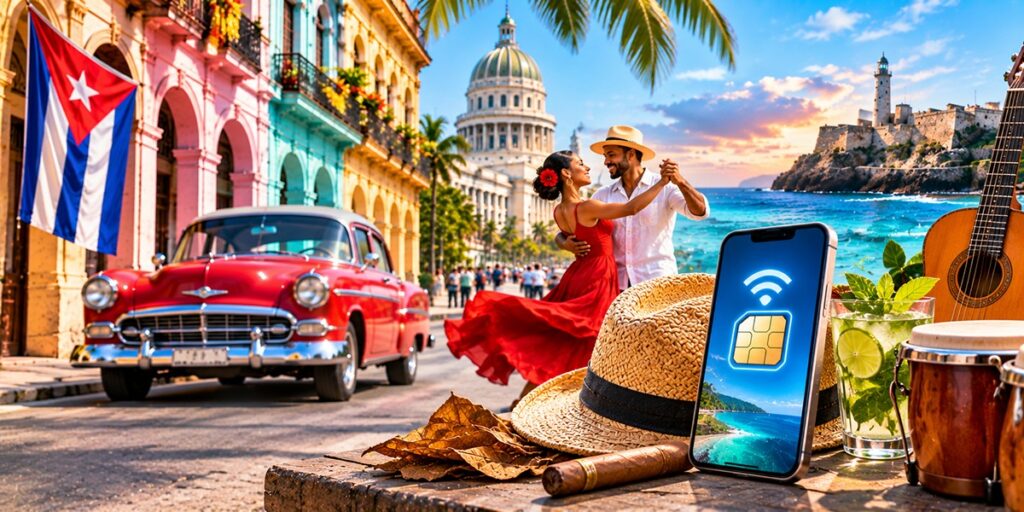
Cuba is truly one-of-a-kind, mixing sun-soaked beaches, lively music, and a dash of the unexpected in every corner. We hope these Cuba Fun Facts gave you a deeper peek into what makes the island tick, from its museum-like streets of vintage cars to its world-famous cigars and rich musical culture.
Traveling to Cuba means embracing both the charm and the quirks: be ready for warm greetings from locals, spontaneous salsa tunes on the sidewalk, and occasionally hunting down Wi-Fi. By now, you see that Cuba Travel is about more than packing your bags; it’s about soaking up history, nature, and some sweet surprises along the way. So get excited, plan your Cuban itinerary with these fun facts in mind, and don’t forget: a good travel eSIM Cuba app makes staying connected easy.
Cuba uses the Cuban Peso (CUP). It’s best to bring cash (Euros or Canadian dollars are recommended) and exchange it to pesos at banks or exchange bureaus. U.S. credit and debit cards generally do not work in Cuba. Always carry enough cash for your needs, as ATMs and card readers are limited.
Yes. Most travelers need a tourist card (a form of visa) to enter Cuba. For U.S. citizens, approved travel categories apply. Also, travel health insurance is mandatory and must be shown when you arrive. Make sure to arrange both before your trip.
Internet access in Cuba is limited. You can buy Wi-Fi cards (via ETECSA) for use at designated hotspots like parks or hotels. Some travelers bring international SIM/eSIMs for surrounding countries, but in Cuba coverage is sparse. Many visitors simply enjoy the digital break. Note: Services like Airhub (190+ country eSIM) work well if you plan to travel beyond Cuba and cover you in other destinations.
The ideal time is the dry season, from November through April, when the weather is warm and sunny with little rain. This avoids the hurricane season (roughly May to October). Many travelers find March to early April especially pleasant, with bright days and comfortable temperatures.
Get your Airhub eSIM in minutes and travel without roaming surprises.
Download the Airhub app to purchase, manage and top up your eSIMs anytime, anywhere!