









Where to Go in Europe in January: Winter Escapes and Best Places to Visit in Europe January

Discover the best places to visit in Europe in January, with packing tips and advice on staying connected abroad using an eSIM.

Where to Go in Europe in January: Winter Escapes and Best Places to Visit in Europe January

In this article

January in Europe doesn’t sound like an obvious choice. It’s cold, it’s dark by late afternoon, and everyone’s broke after the holidays. But that’s exactly why it works. With Europe winter travel perks like smaller crowds and off-season discounts, this month offers unique city breaks and cozy getaways. Whether you’re chasing snow on mountaintops or sunshine on Mediterranean shores, our guide shows where to go and how to pack. If you’re wondering where to travel in Europe in January, we’ve got answers: here’s a list of the top 10 places to visit in Europe this month, covering everything from warm sunspots to snowy wonderlands.

Chilling Out: Why January Shines in Europe

Winter travel in Europe with fewer crowds and snowy city views

January can be one of the best times to travel in Europe. Most tourists have headed home after the holidays, so cities and attractions are much quieter (Prague is “enchanting under a blanket of snow” with fewer visitors). Flights and hotels often drop in price; Eastern Europe is especially cheap in January, making budget Europe travel easier than ever. You can sip mulled wine at a Christmas market in Vienna or relax in Budapest’s thermal baths without the usual crowds. Whether chasing alpine powder on the slopes or basking in mild Mediterranean sun, January travel rewards the adventurous with a quieter, cozier Europe.

January’s Top 10 European Escapes

Below are ten of the best places to visit in Europe January, offering a mix of warm island escapes and snow-covered adventures:
  • Canary Islands, Spain – The archipelago off Africa is the warmest spot in Europe, with daytime highs around 18–22°C. Sandy beaches, volcanic parks, and lively resorts (like Tenerife or Gran Canaria) make it perfect for winter sun.
  • Malta (Valletta) – This Mediterranean island stays mild (daytime highs ~14–17°C). Historic Valletta’s honey-colored streets and harbor views are delightful without summer crowds. January is ideal for sunny walks between Baroque churches and seaside cafes.
  • Madeira, Portugal – A lush Atlantic island, Madeira enjoys about 16–20°C in January. Its botanical gardens, craggy coastline, and whale-watching tours shine in winter. Funchal’s mild climate means winter festivals and flower displays can still be enjoyed.
  • Cyprus (Paphos/Larnaca) – Cyprus offers 15–19°C sunshine. Explore ancient ruins in Paphos or stroll the beachfront promenade in Limassol without the crowds. The weather’s perfect for hiking or a ferry ride to nearby Greek isles.
  • Prague, Czech Republic – A top pick for the best winter city breaks in Europe, Prague is enchanting under snow. The medieval castle and Charles Bridge sparkle in frost, and with fewer tourists you can wander Old Town Square and enjoy hearty Czech fare by a fireside.
  • Budapest, Hungary – The “Pearl of the Danube” warms up a cold day with its famous thermal baths. The city sparkles under winter lights, and rich goulash and sweet chimney cakes will keep you toasty while exploring the Buda and Pest sides.
  • Lapland, Finland – For a true winter wonderland, head far north to Finnish Lapland. You can ride reindeer sleds, stay in an ice hotel, and often catch the Northern Lights in the clear nights. January’s long nights give you plenty of time to spot auroras before daytime snow adventures.
  • Reykjavik, Iceland – January in Iceland means icy landscapes and the chance to see the Aurora Borealis. Reykjavik itself is cozy, with colorful rooftops and geothermal pools. Day trips along the Golden Circle (geyser, waterfall, volcano) are unique in winter; then unwind in the famous Blue Lagoon.
  • Zermatt, Switzerland – Nestled at the foot of the Matterhorn, Zermatt is a famous ski destination. The car-free alpine village looks picture-perfect under white blankets. Whether you ski, snowboard, or take the Gornergrat cog train up for panoramic views, Zermatt delivers classic mountain fun.
  • Granada, Spain – The Alhambra is the draw here, and January means shorter lines and comfortable temperatures in the mid-teens. The Sierra Nevada is close by, so you can swap palaces for mountain walks.

Packing Smart for Europe’s January

Europe's Top January Destinations

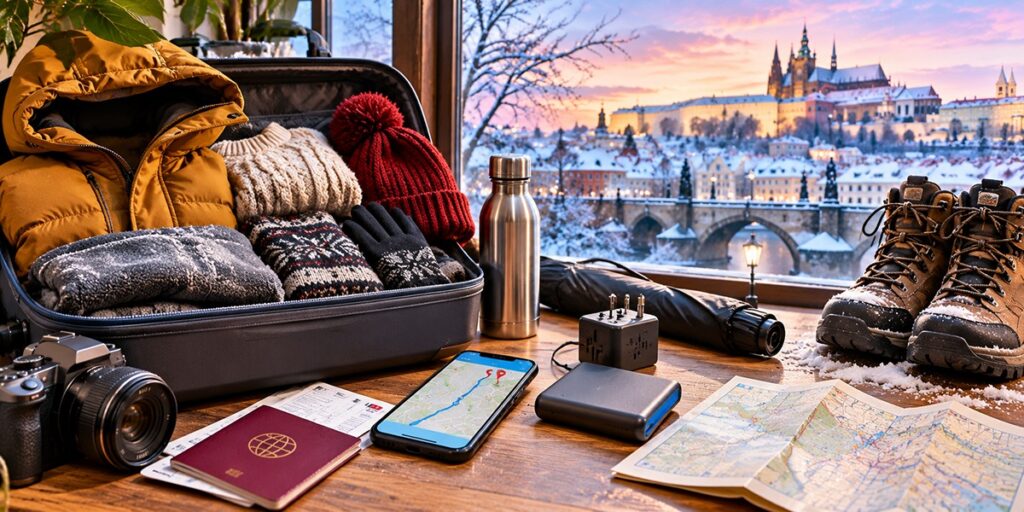
Prepare for brisk weather and a mix of activities. Key items include:

  • Layers and a proper coat. Thermal base layers, a fleece or sweater, and a waterproof, insulated jacket. You’ll want the thick coat for evenings and anywhere with snow.
  • Hat, scarf and gloves. Even in the warmer spots, nights get chilly. Throw in a compact umbrella as well.
  • Waterproof shoes. Slushy pavements and muddy trails are common, and wet feet will ruin a day of sightseeing fast.
  • Tech. Phone, power bank and the right adapter (Type C, E or F for most of Europe). Download your maps, translation, and weather apps before you leave.
  • The basics. Travel documents, insurance details, any medication, a reusable water bottle and a few snacks for long train or bus rides. A paper map doesn’t hurt either.
  • Data. Rather than hunting for a local SIM when you land, consider a travel eSIM. If your phone is unlocked, you can set it up before you leave and have data for maps, tickets, and translations the moment you arrive.

Savvy Tips for Easier Winter Travel

Essential tips for winter travel in Europe

Stay relaxed on your trip with these quick hacks:
  • Book smart: January is off-peak. Use discounts and deals – Eastern Europe especially offers low prices now. You might score cheaper flights and roomy hotel rooms in cities like Budapest or Prague.
  • Limited daylight: Days are short, especially in northern Europe. Plan outdoor sightseeing around midday when it’s light, and save indoor activities (museums, cafes, markets) for late afternoon. Always double-check attraction hours, as some may close early.
  • Stay warm. Hand warmers or a flask of hot tea make winter walks much nicer. A small foldable daypack is handy for stuffing gloves and scarves into once you’re inside.
  • Check transport schedules. Winter timetables can be reduced, so book trains and buses ahead. Rail passes usually work all year.
  • Eat for the weather. Stews, soups and pastries are made for cold days. Mulled wine (Glühwein) or hot chocolate from a market stall is never a bad idea.
  • Know the holidays. Epiphany (January 6) and Orthodox Christmas (January 7) can mean closed shops and attractions in some places, but you may also catch local celebrations if you time it right.

Plan Your Perfect European Winter Escape

Planning a memorable winter escape across Europe

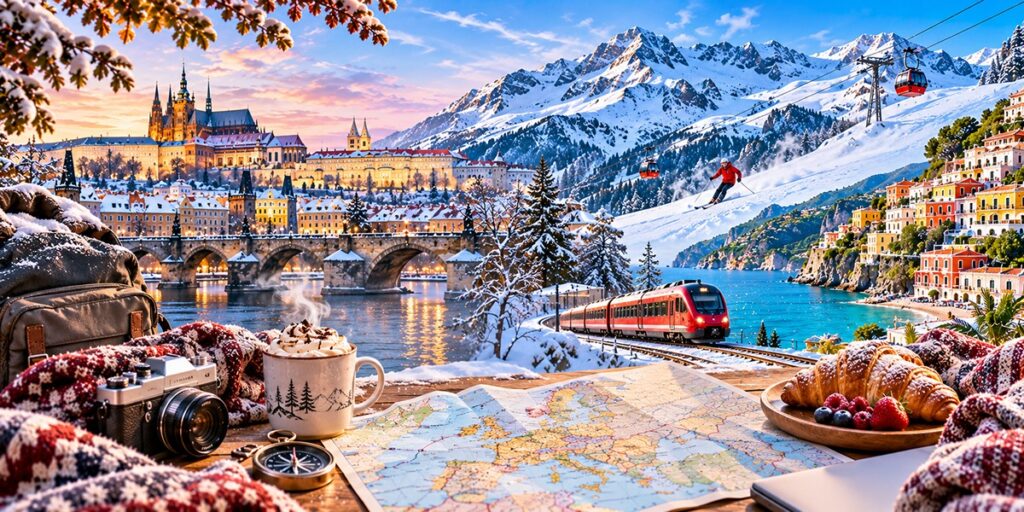
Think of January travel as your Europe travel guide in action: mix a snowy scene with a dash of winter sun. A great itinerary might pair a few days in the Alps (for skiing or cozy mountain lodges) with a few days on a sunny Mediterranean coast. For example, explore Prague’s Old Town, then catch a train to the nearby Krkonoše Mountains for snow hiking.

Use Europe’s year-round trains and buses. Many rail passes still apply in winter. Book mountain lodges or Arctic chalets early – good ones fill up for the holiday season. Check forecasts (winter storms can delay travel in northern Europe) and pack layers you can easily add or remove. With a balance of indoor culture and outdoor adventure, January’s mix of climates will make your trip unforgettable.
Stay Connected with Your Travel Essentials

Stay connected with Airhub eSIM

An often-overlooked tip: don’t forget connectivity. Instead of swapping SIM cards in each country, use a global eSIM plan. Airhub offers simple eSIM data packages covering 190+ countries, so you can roam without extra fees. No SIM swapping or roaming, just one profile on your phone with data ready wherever you are. (And yes, 24/7 customer support is part of the package.)

Airhub’s app (for iOS or Android) lets you activate a plan from anywhere. Download the Airhub app before your trip, choose a data plan or minutes, and you’ll have coverage from the moment you land. Having a Travel eSIM means you can update maps or share photos online instantly, without hunting for local Wi-Fi.
Embrace Europe’s January Magic

Europe in January: Winter sun, snowy escapes and travel adventures

Europe in January offers both sun-drenched escapes and snowy adventures. From the warmest places in Europe in January, like the Canary Islands, to the fairy-tale charm of Prague under snow, this travel blog has highlighted the best places to visit in Europe January and shared tips for the season. For travelers seeking adventure, these Europe January destinations have it all.

Remember to pack smart, plan around the weather, and look for off-season deals. Whether you’re celebrating January holidays Europe or simply enjoying post-holiday calm, the continent is surprisingly accessible in midwinter. Keep our advice in mind, and you’ll find January travel can be affordable, memorable, and delightfully different. As you wander from city streets to mountain peaks, staying connected with an Airhub eSIM will make your trip even smoother. Happy travels and warm winter wishes on your European escape!

FAQs

1. What are the warmest places to visit in Europe in January?

The Canary Islands (Tenerife, Gran Canaria) are the warmest, with around 18–22°C daytime. Other warm spots include Malta, Cyprus, and southern Spain or Portugal, where it often reaches the mid-teens°C.

2. How cold is Europe in January generally?

Northern and Eastern Europe can be very cold (often below freezing with snow). Western Europe (UK, France) is milder (0–10°C). Southern Europe (Spain, Italy, Greece) usually ranges from 5–15°C, while the Canaries and Cyprus stay near 15–20°C.

3. What should I pack for a trip to Europe in January?

Pack warm, layered clothing: thermal underwear, sweaters, and a waterproof coat. Bring winter accessories (hat, gloves, scarf) and sturdy waterproof shoes. Don’t forget a travel adapter for electronics and a power bank.

4.  What are some ideal winter city breaks in Europe?

Classic choices include Prague, Budapest, Vienna, and Paris – they’re charming in winter and have plenty of indoor attractions. London and Amsterdam are also nice in January, often with fewer tourists.

5. Are flights and hotels cheaper in January?

Yes, January is off-peak after the holidays. Flights and hotels often drop in price, especially in colder destinations. Eastern Europe and rural areas tend to offer the best deals in January.

6. How can I stay connected while traveling in Europe?

Use a global eSIM or local SIM card. With a Travel eSIM, you can buy one data plan that works in many countries. This way, your phone stays online (maps, messages, etc.) without expensive roaming fees.

Most Popular eSIM Countries

Ready to Stay Connected?

Get your Airhub eSIM in minutes and travel without roaming surprises.

You might also like

Ready to try eSIMs and change the way you stay connected?

Download the Airhub app to purchase, manage and top up your eSIMs anytime, anywhere!

App exclusive5% off at checkout
Get it on Google PlayDownload on the App Store