








Ready to try eSIMs and change the way you stay connected?
Download the Airhub app to purchase, manage and top up your eSIMs anytime, anywhere!
App exclusive5% off at checkout
Explore places to visit in Europe, from Christmas markets to snowy alpine villages. Get travel tips and stay connected. %
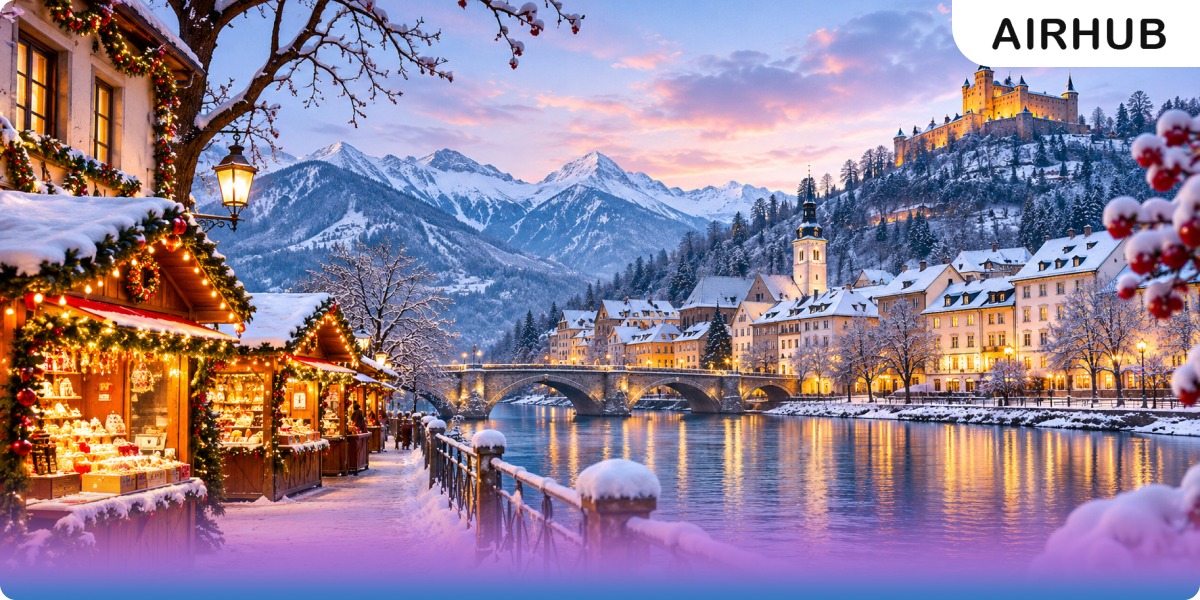
Cities and villages become a dreamy wonderland. Europe has dozens of destinations to visit this season that will leave you spellbound, from charming Christmas markets to Alpine snowscapes. There are various places to visit in Europe. If you long for the holiday festivities or the serene snowy scenes, Europe has it all.
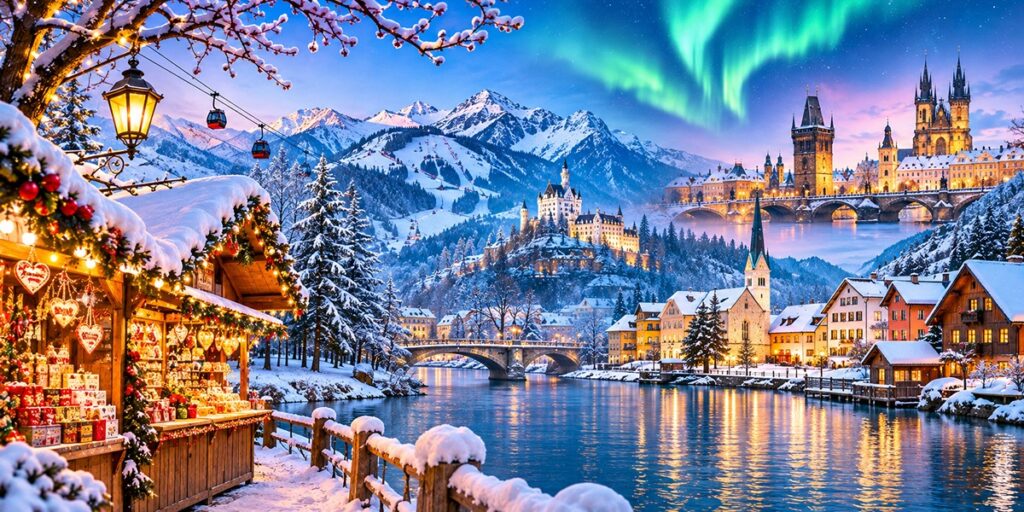
Winter in Europe has something for everyone. Take a run through the Alps, walk along snow-lined canals, or discover mediaeval streets decked out in holiday adornment. For example, Alpine Europe has great ski resorts and quaint villages. Austria’s mountain towns and castles are particularly magical when blanketed in snow.
In cities, the atmosphere changes completely once Christmas lights go up. Imagine Trondheim, its wooden houses glowing under the northern sky, or Prague with dustings of snow framing its Gothic spires. Central European towns like Strasbourg and Colmar in France or Rothenburg ob der Tauber in Germany become fairy-tale scenes, complete with gingerbread-scented air and carolers. Even Southern Europe gets into the spirit; Lisbon and Rome offer mild weather plus cozy cafes when snow blankets the north.
Each destination has its own winter appeal. If you dream of the Northern Lights and reindeer, Scandinavia and Iceland are calling. If Christmas markets and castles are your thing, Central Europe won’t disappoint. For a mix of history, culture, and holiday warmth, cities like Prague or Kraków are unbeatable. And don’t overlook smaller towns; Hallstatt (Austria), Bruges (Belgium), or Bled (Slovenia) have postcard-perfect winter charm. Below, we list the top 15 winter destinations across Europe.
As you explore places to visit in Europe, you will find destinations that feel like home, with great food, amazing weather, and reasonable prices. Here are the top 15 places you can explore in Europe.
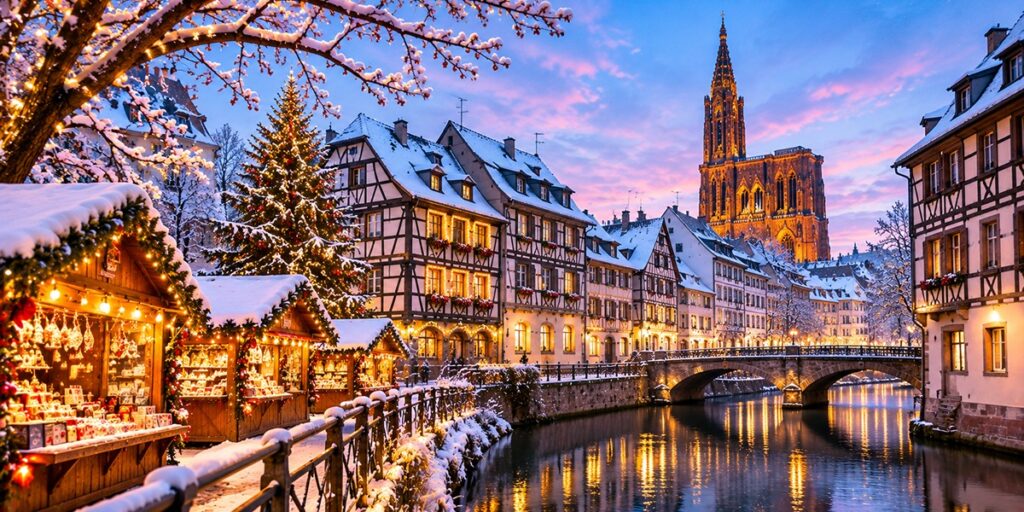
Often called the “Capital of Christmas,” Strasbourg’s Old Town transforms into a festive fairyland. Its famous Christkindelsmärik dates to 1570, making it one of the oldest Christmas markets. Sip mulled wine under glittering lights in a UNESCO-listed city center that looks straight out of a holiday movie.
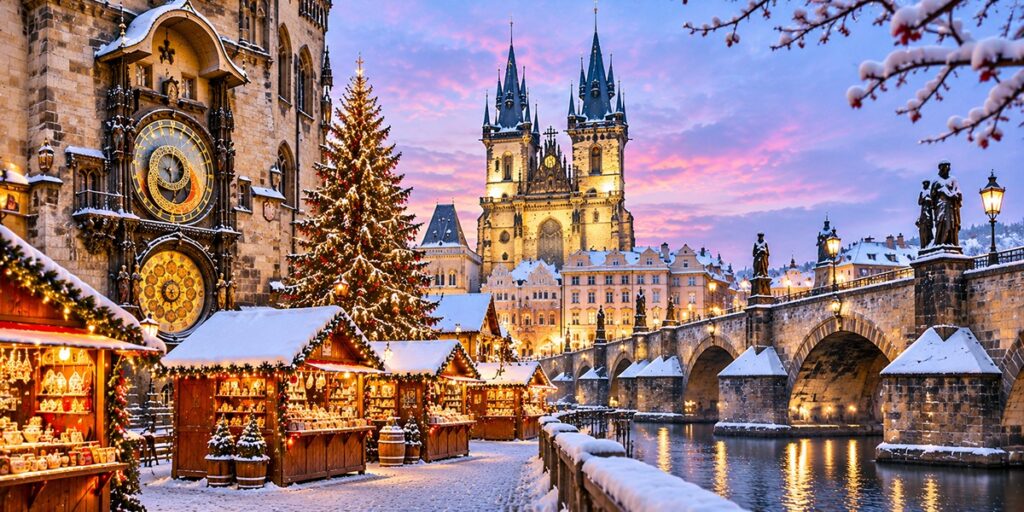
Cobblestone streets and Gothic towers are even more magical with a dusting of snow. There’s a massive Christmas market in the Old Town Square with wooden stalls selling crafts and svařák (mulled wine) by the Astronomical Clock. Take a brisk walk across the Charles Bridge in winter or warm up in a warm cafe with local pastries.
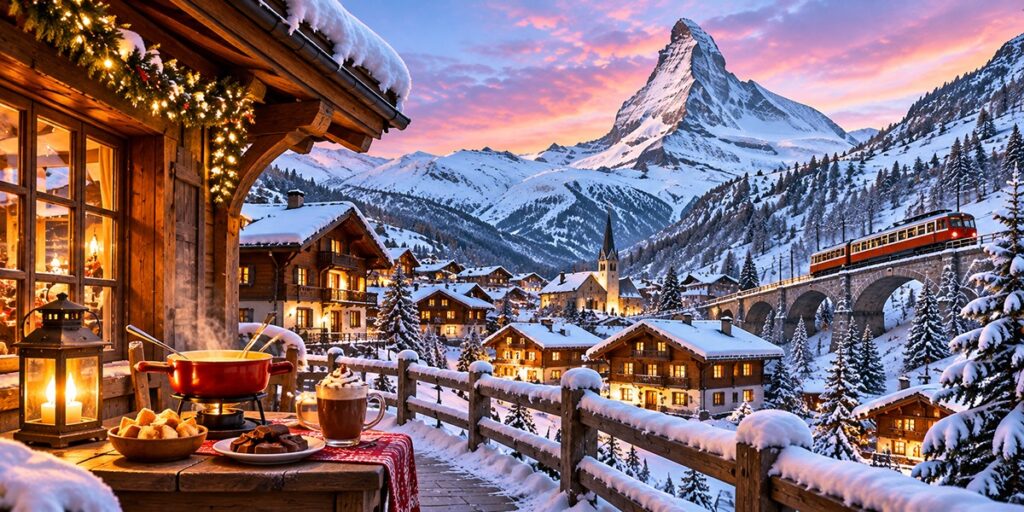
Nestled below the iconic Matterhorn, Zermatt is pure alpine charm and one of the most popular places to visit in Europe. It’s car-free and surrounded by ski slopes, but even non-skiers can enjoy the winter splendor. Ride the Gornergrat Railway for panoramic mountain views, or stroll through snow-covered village streets. Don’t miss Switzerland’s famous fondue or chocolate by a roaring fire.
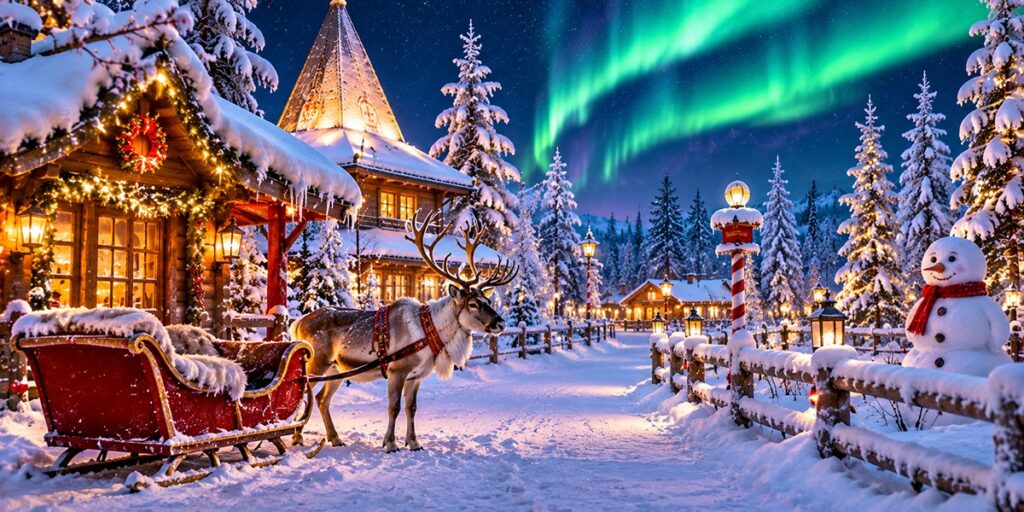
This Arctic town on the Arctic Circle is officially “Santa’s hometown.” In winter, you can meet Santa himself, ride reindeer sleighs through snowy forests, and, if lucky, witness the aurora borealis dancing overhead. Rovaniemi’s pristine winter landscapes make it a bucket-list experience for families and adventurers alike.
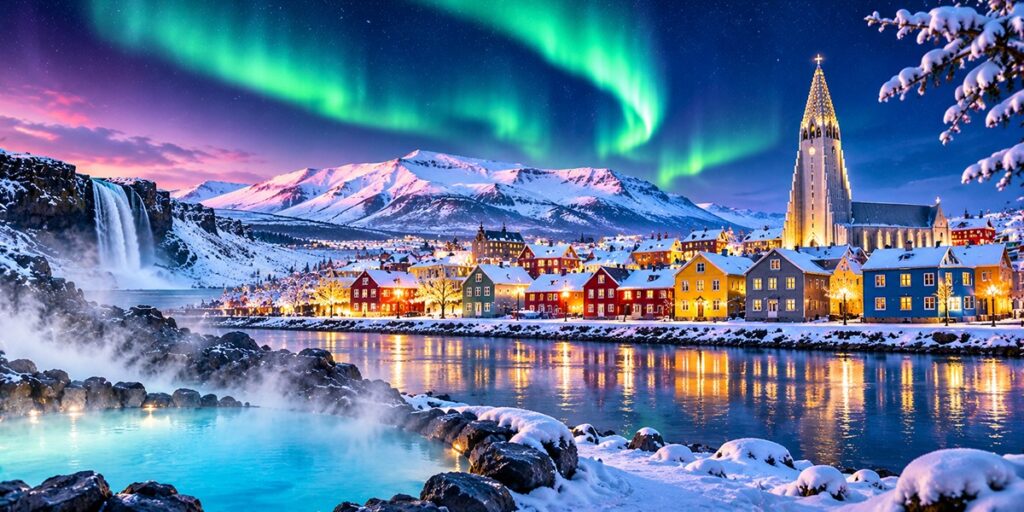
Iceland’s capital shines in winter, with its colorful buildings set against snowy mountains and frequent Northern Lights. The city’s vibrant arts scene and cozy cafes (perfect for late-afternoon coffee breaks) contrast with adventures just outside town: think steaming Blue Lagoon hot springs and day trips to see glaciers and waterfalls. Winter is peak season for catching the aurora in Iceland.
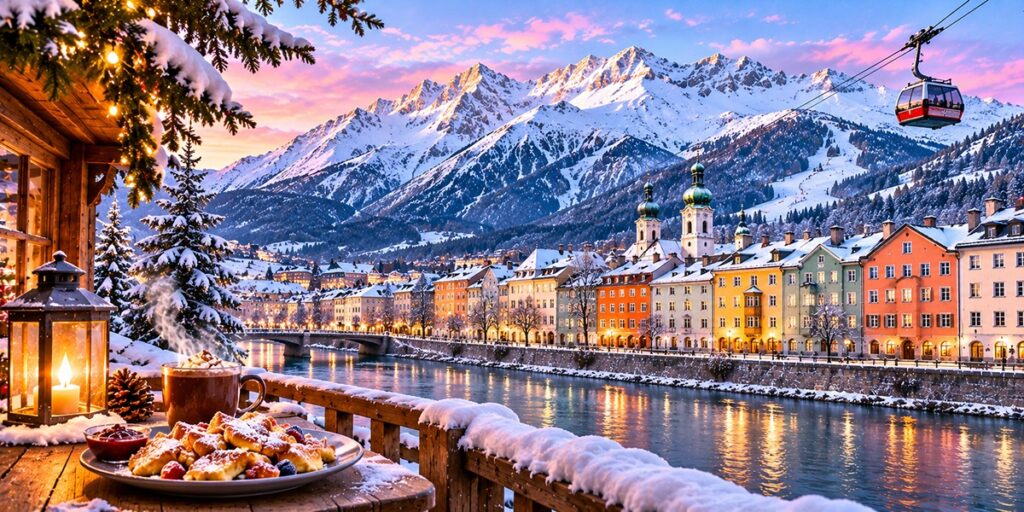
Surrounded by peaks of the Tyrolean Alps, Innsbruck is a winter sports paradise. It hosted the Winter Olympics twice, and you can ski or snowboard right from the town. After a day on the slopes, explore the historic Old Town or enjoy panoramic views from the Nordkette cable car. Try local treats like Kaiserschmarrn (fluffy shredded pancakes) to keep warm.
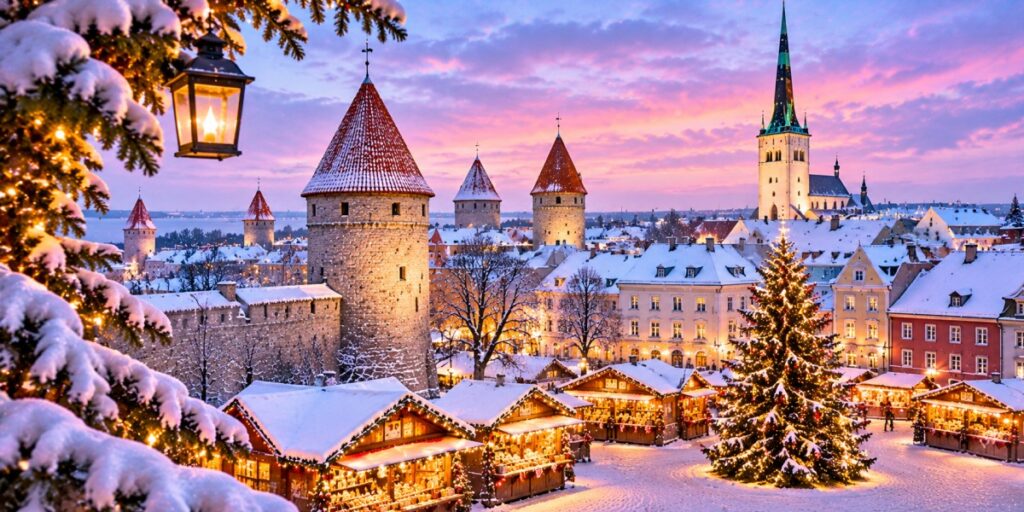
Europe’s far north means Tallinn can be icy-cold, but its medieval Old Town feels like a Christmas card come to life. Advent markets fill the Town Hall Square with lights and hot gingerbread. Historic buildings and fortified walls are dusted in snow, creating picture-perfect views. Despite its chill, Tallinn is also known for digital innovation; keep in mind the connectivity solutions below.
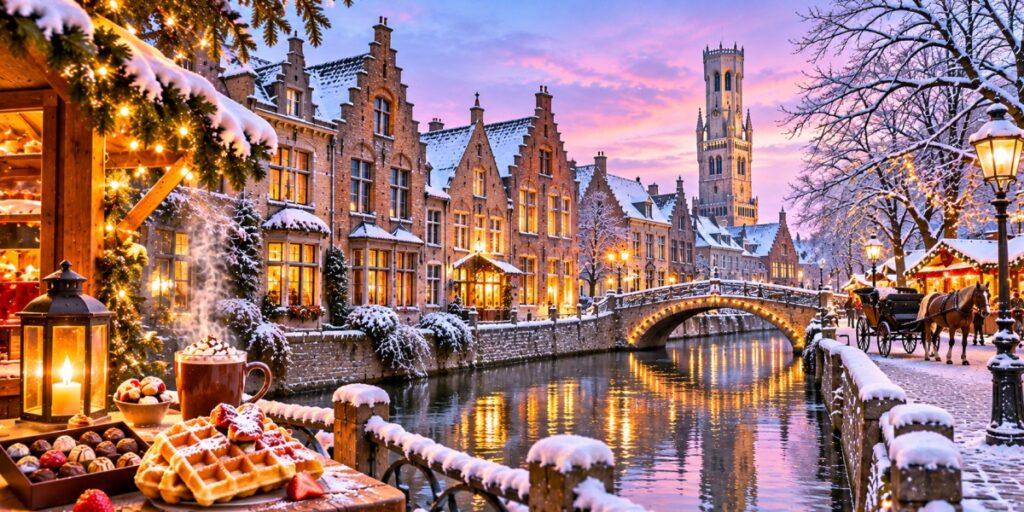
Often called the Venice of the North, Bruges is a canal city made for a winter jaunt. Its gingerbread-colored buildings and bridges look stunning when frosty, and horse-drawn carriage rides through quiet lanes feel utterly romantic. Don’t miss sampling Belgian chocolate, waffles, and warming hot drinks as you explore the Markt square and festive stalls.
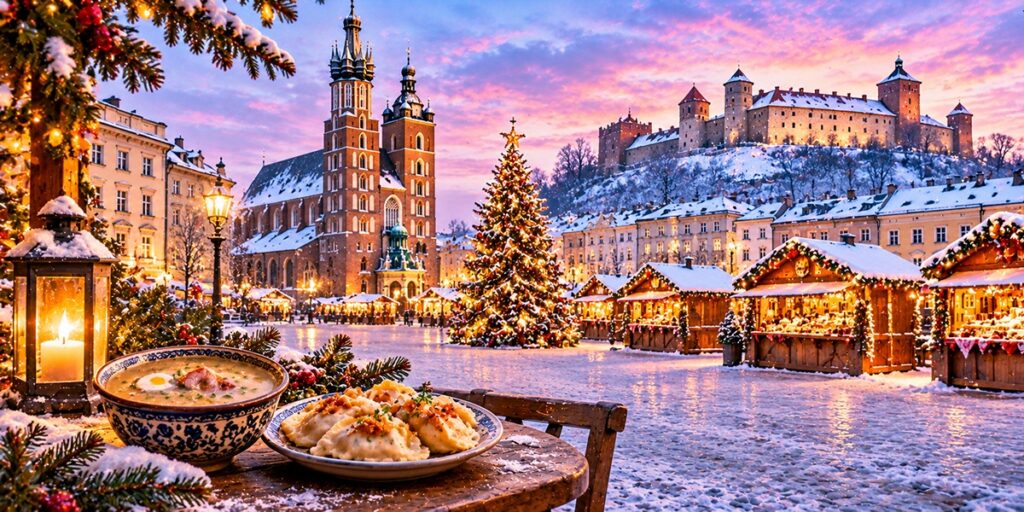
The Royal City of Kraków is one of Europe’s liveliest winter destinations. The historic Main Square hosts cheerful Christmas markets, and the hilltop Wawel Castle looks stunning with snowy rooftops. Nearby, you can tour the underground Wieliczka Salt Mine (a UNESCO site) or take a sobering trip to the Auschwitz museum. Polish hospitality means you’ll stay warm with hearty pierogi and żurek soup.
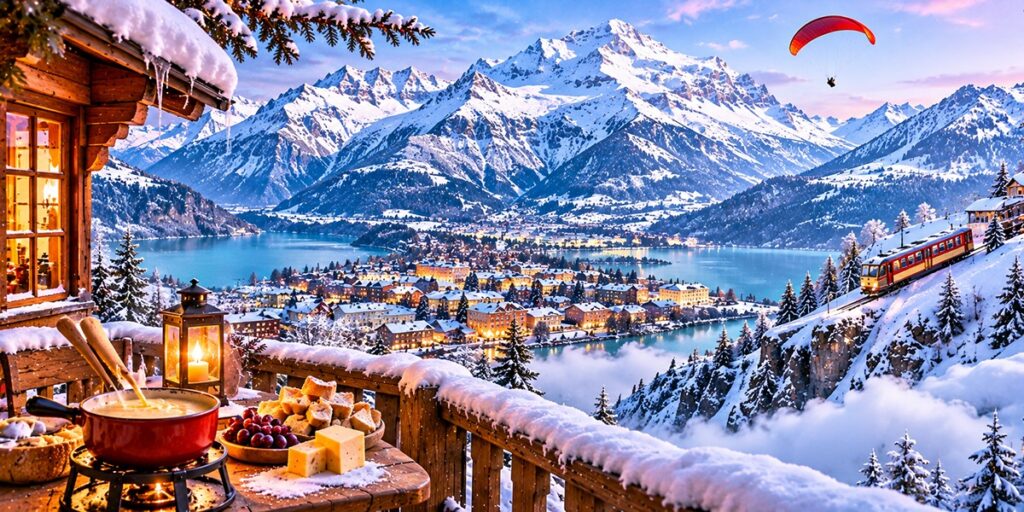
True to its name, Interlaken (“between the lakes”) sits between Lake Thun and Lake Brienz with towering Jungfrau peaks behind. It’s an outdoor lover’s dream in winter: ski resorts, snowshoe trails, and even paragliding over snowy valleys. From here you can train up to Jungfraujoch, which hosts Europe’s highest railway station. At day’s end, relax with local cheese fondue in a Swiss chalet.

Picture a snow-capped island church floating on a mirror lake encircled by mountains; that’s Lake Bled in winter. The island church is reached by small rowboats even when the lake is partially frozen. Above it all sits medieval Bled Castle on a cliff, offering breathtaking views. For extra coziness, soak in nearby thermal spa waters after a day of winter hiking.
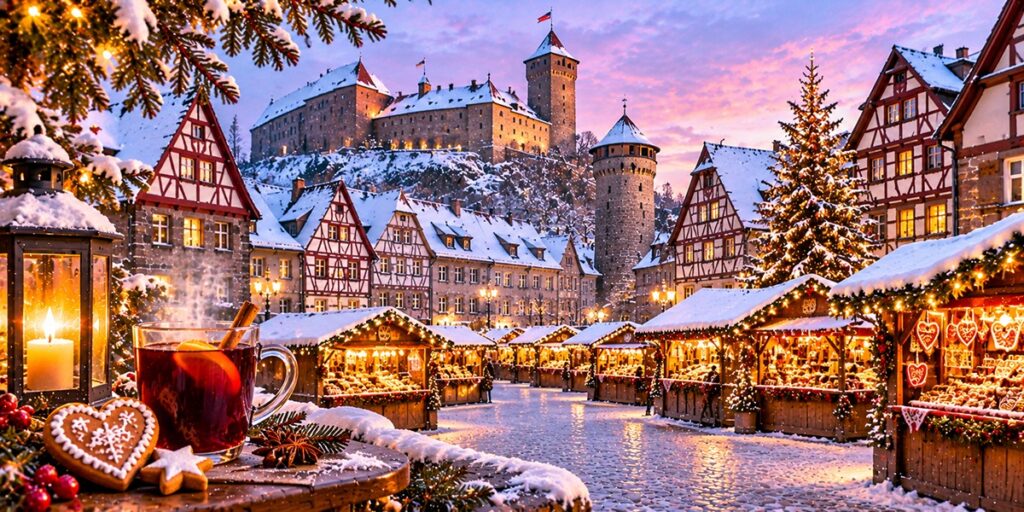
In winter, Nuremberg feels like stepping into a fairy tale, making it one of the most iconic places to visit in Europe. The city’s medieval walls and half-timbered houses are especially picturesque under snow. Nuremberg’s Christkindlesmarkt is world-famous, one of Europe’s oldest and best Christmas markets, so wander its stalls with a Glühwein (mulled wine) and gingerbread. History fans can also visit Nuremberg Castle and the old town’s charming squares.
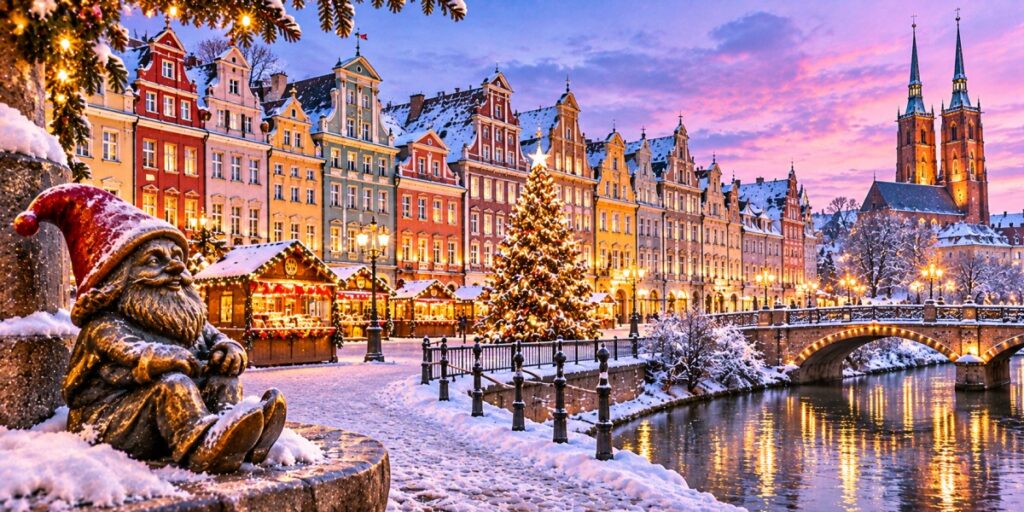
Wrocław’s whimsical charm shines in winter. Its Rynek (main square) is lined with pastel townhouses lit by festive lights, and dozens of cozy cafes are perfect for warming up on a chilly evening. Known as the “City of Dwarfs,” Wrocław’s tiny gnome statues peek out around every corner, making a fun scavenger hunt for visitors. The snow-dusted banks of the Oder River and quiet park paths make winter strolls magical.
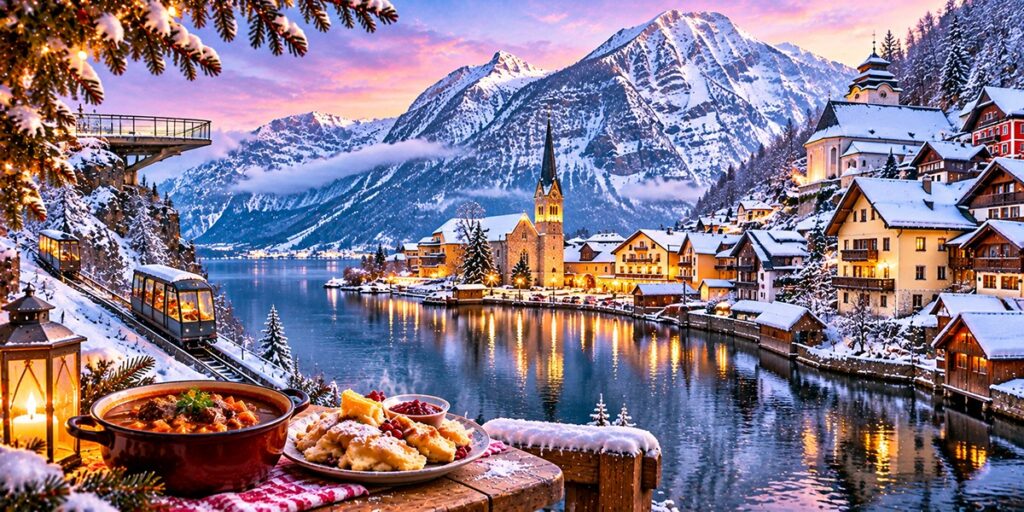
This tiny lakeside village looks like a Christmas postcard. Hallstatt’s pastel buildings crowd the water’s edge beneath towering Alps, and in winter the lake sometimes freezes for serene views. You can visit the Hallstatt Salt Mines (open in winter) or ride a funicular to the Hallstatt Skywalk for breathtaking mountain panoramas. Finish the day in a lakeside inn enjoying Austrian goulash and Kaiserschmarrn.

For a mild winter escape, the Canary Islands offer sunny skies and warmth when much of Europe is cold. Gran Canaria has spring-like weather year-round. Its volcanic landscapes are great for hiking, and the beachside resorts are beautifully quiet in winter. You can combine ocean swimming with exploring UNESCO-listed towns like Las Palmas. It’s a reminder that “Europe in winter” doesn’t always mean snow!
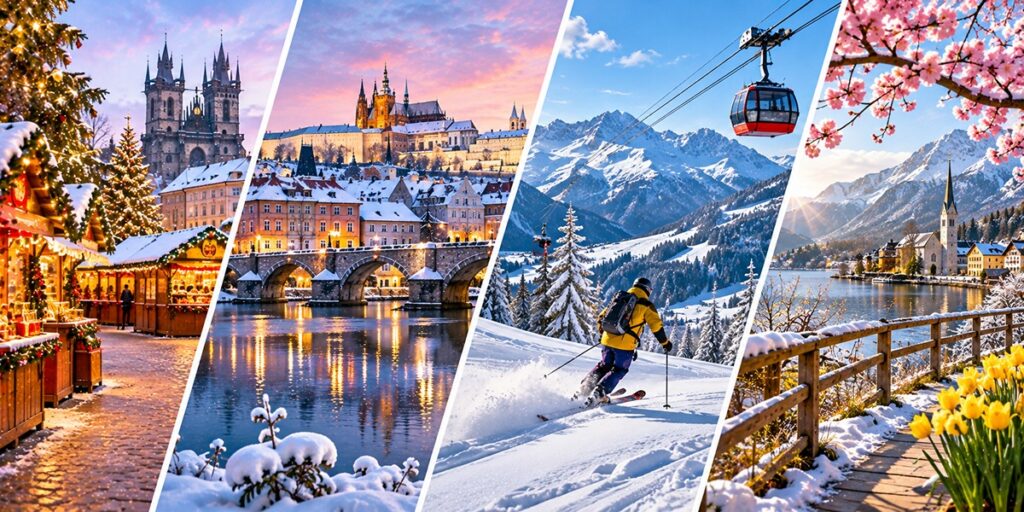
Here are some of the best months in which you can explore Europe, so pack your bags accordingly and book your tickets.
Good mobile connectivity makes winter travel easier and safer. While free Wi-Fi is common in hotels and cafes, you may find fewer open networks in smaller towns or outdoors. To avoid hefty roaming fees, consider a travel eSIM or data plan that works across Europe. An eSIM Europe lets you use local data in dozens of countries without swapping physical SIM cards. This keeps you online for maps, ride shares, or contacting hotels and tour guides, even in remote winter locations.
Staying connected also means letting friends and family check in. Share your itinerary with a travel app or messaging service, so someone knows your route, especially if you venture into the mountains. Many apps can download offline maps in advance; that way, even if your signal drops in a valley or tunnel, your GPS still works. Finally, having translation or guide apps handy can help in countries where languages change suddenly from one region to another (for example, traveling from Italy into Austria).
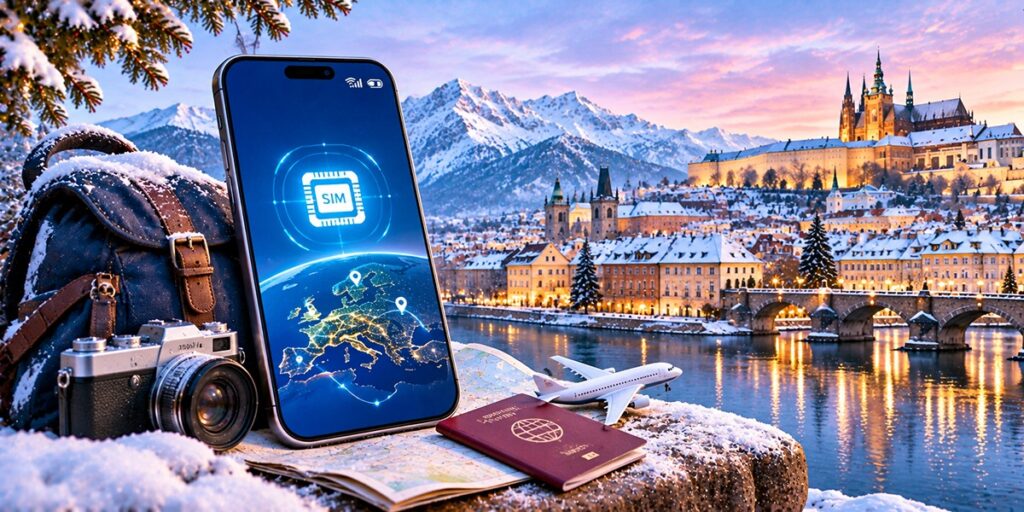
For hassle-free global data, many travelers rely on convenient eSIM services. Airhub, for example, provides data and voice plans in 190+ countries. That means one easy purchase covers the whole continent, no multiple SIMs or roaming surprises. You can sign up and activate a plan instantly through the app, enjoying a local data connection as soon as you land. Airhub even offers a free 200MB trial so you can test it out on us.
Whether you’re navigating Swiss trains, looking up a restaurant in Prague, or calling home after a day in the Alps, having a reliable mobile connection is a true travel hack. Download the Airhub app on your iOS or Android device before you go, and explore various plans like eSIM North America. With one tap, you’ll get a local number and data coverage, making it easy to stay in touch and post all those snowy vacation photos in real time. Travel light, stay connected; that way you never miss a moment of your European adventure.
Winter opens up a whole new side of Europe. You’ve now got a list of dreamy places to visit in Europe during the colder months, from fairy-tale villages to snowy capital cities, from Northern Lights vistas to warmer southern escapes. Each destination has its own magic, whether it’s the festive joy of Christmas markets or the peaceful calm of snow-capped lakes.
As you pack your bags (don’t forget those layers and boots!) and map out your route, remember that Europe rewards winter travelers with quieter attractions and off-season prices. With some planning and the convenience of a global data app like Airhub, you’ll breeze through connectivity and focus on the fun. Europe’s winter wonderland awaits. Bundle up and get ready to make some unforgettable memories in the snow!
Absolutely. The off-season (November–March) means far fewer crowds and lower prices on flights and hotels. You’ll find special winter events (like holiday markets) and stunning snow scenery, often at a bargain. Just prepare for shorter days and chillier weather.
Pack warm layers: think thermal shirts, a good coat or parka, wool hat, gloves and scarves. Waterproof footwear is essential as streets can be wet or icy. Rick Steves advises bringing a “rainproof parka, gloves, wool hat, long johns, waterproof shoes” for variable winter weather. An umbrella or rain jacket can help, too.
Yes. Airlines often slash fares right after the holidays, and hotels offer off-season rates. For example, data shows airfares drop 70–80% in January. Smaller towns may have limited services, but in general you’ll save a lot on travel costs during winter months.
Quite short, especially in northern Europe. In many places it’s dark by around 5 PM. Plan outdoor sightseeing for the morning and early afternoon. Even so, cities and markets are often beautifully illuminated after dark, so there’s plenty to enjoy in the evening, too.
Head north! Finnish Lapland (like Rovaniemi) and Iceland (Reykjavik as a base) are among the best spots to catch aurora borealis displays. Clear, dark skies between late autumn and early spring offer the highest chances of seeing the lights.
Get your Airhub eSIM in minutes and travel without roaming surprises.
Download the Airhub app to purchase, manage and top up your eSIMs anytime, anywhere!