










Ready to try eSIMs and change the way you stay connected?
Download the Airhub app to purchase, manage and top up your eSIMs anytime, anywhere!
App exclusive5% off at checkout
Discover the best islands in Indonesia, from Bali and Lombok to Raja Ampat and Flores. Find top attractions, travel tips, and island guides.
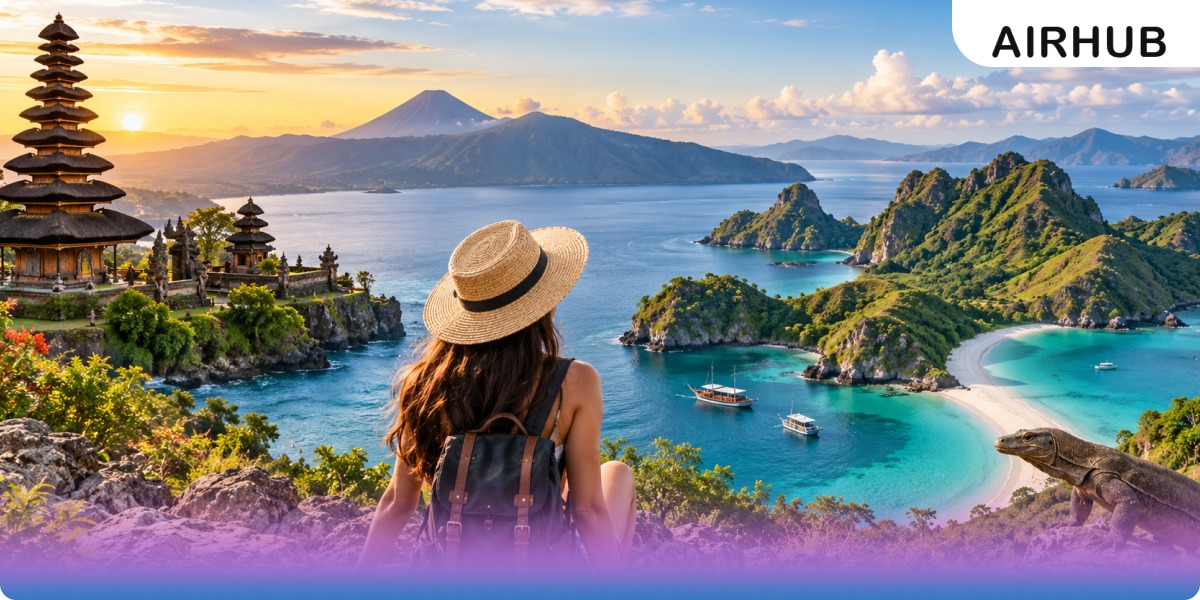
Here's the number that reframes any Indonesia trip: somewhere around 17,000 islands. Once that sinks in, the pressure to "see Indonesia" quietly lifts because you can't, and nobody does. What you can do is choose well. Each major island is practically its own country, with its own culture, landscape, and reason to go, which means the trip lives or dies on one decision: matching the islands in Indonesia you pick to the trip you actually want. Diving? Wildlife? Temples? Empty beaches with barely another traveler in sight? They point you to completely different corners of the archipelago. So this guide sorts the best islands by what each is genuinely good for, with the real highlights, how to get there, and an honest word on each the downsides included.
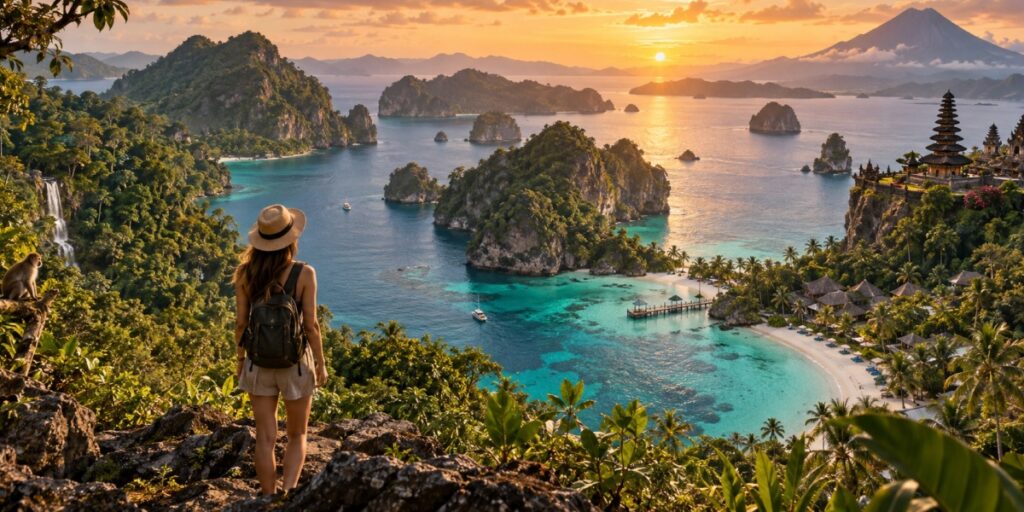
No time for the full read? Match the trip to the island and skip ahead:
| If you want… | Go to |
| An easy first trip / a bit of everything | Flores, Bali |
| Beaches & resorts, lively scene | Bali, the Gili Islands (off Lombok) |
| World-class diving & snorkeling | Raja Ampat, Komodo, Bunaken (Sulawesi) |
| Wildlife & jungle | Sumatra, Kalimantan (Borneo) |
| Temples & culture | Java (Yogyakarta), Bali, Tana Toraja (Sulawesi) |
| Volcanoes & hiking | Java (Bromo & Ijen), Lombok (Rinjani) |
| Off the beaten path | Sumba, Sulawesi, Raja Ampat |
These run roughly from the most popular and accessible down to the genuinely remote. Every entry tells you what it's best for, a few real highlights, how to get there, and one honest caveat because a list that only gushes is useless at the exact moment you're trying to choose.
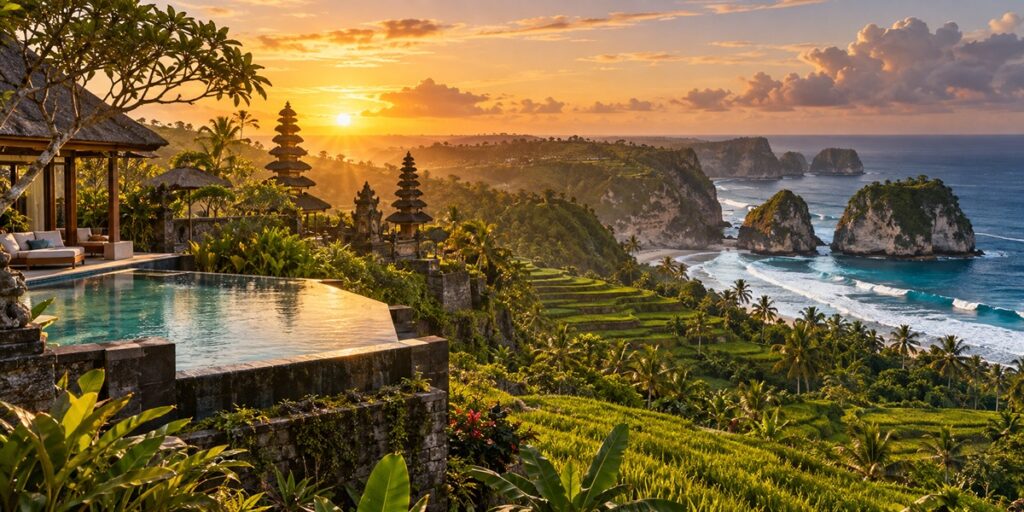
Bali is the one everyone pictures first, and the picture isn't wrong: Hindu temples, surf beaches, rice terraces, and more resort comfort than anywhere else in the country. It's also the single easiest place in Indonesia to have a great time with zero planning the villas, beach clubs, and restaurants do the work for you. Best for: first-timers, beaches, wellness & resorts · Highlights: Ubud's temples and rice terraces, the surf beaches of the south, Nusa Penida's cliffs just offshore · Getting there: direct international flights into Denpasar · Honest caveat: the south Kuta, Canggu, Seminyak is heavily built up and often gridlocked, and the headline sights get genuinely crowded. The north and east, or a hop over to Nusa Penida, give you the calmer Bali.
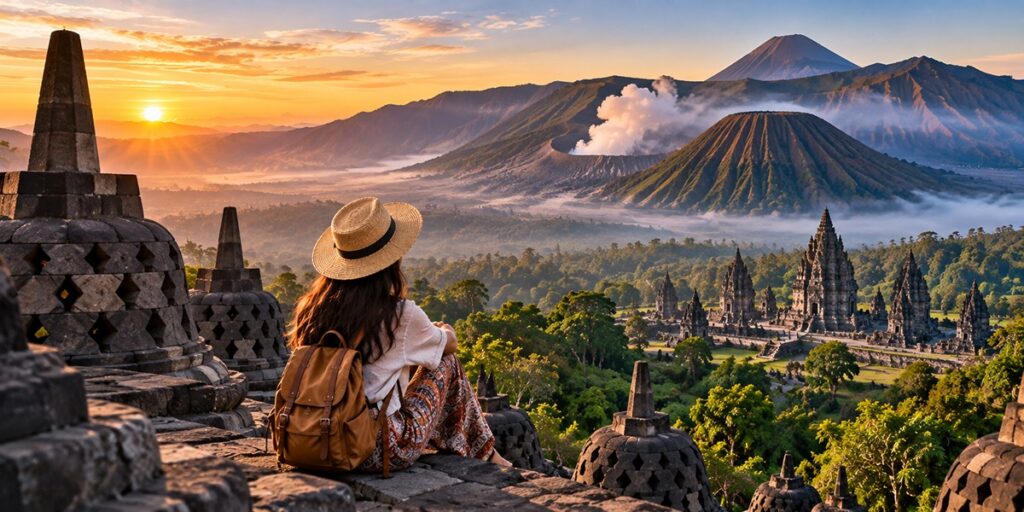
Java is the most populous island and the country's cultural and political engine, and everything about it runs big: big cities, big volcanoes, big temple complexes. Come here for culture and adventure rather than beach lounging and take advantage of the train network, which makes it unusually beginner friendly. Best for: culture, temples, volcano hikes · Highlights: Borobudur (the world's largest Buddhist temple, a UNESCO World Heritage Site since 1991) and Prambanan near Yogyakarta, sunrise over Mount Bromo, the eerie blue flames of Ijen · Getting there: fly into Jakarta or Yogyakarta; trains connect the cities · Honest caveat: Jakarta is chaotic and congested, and plenty of travelers bounce off it starting in calmer Yogyakarta is the easy fix.
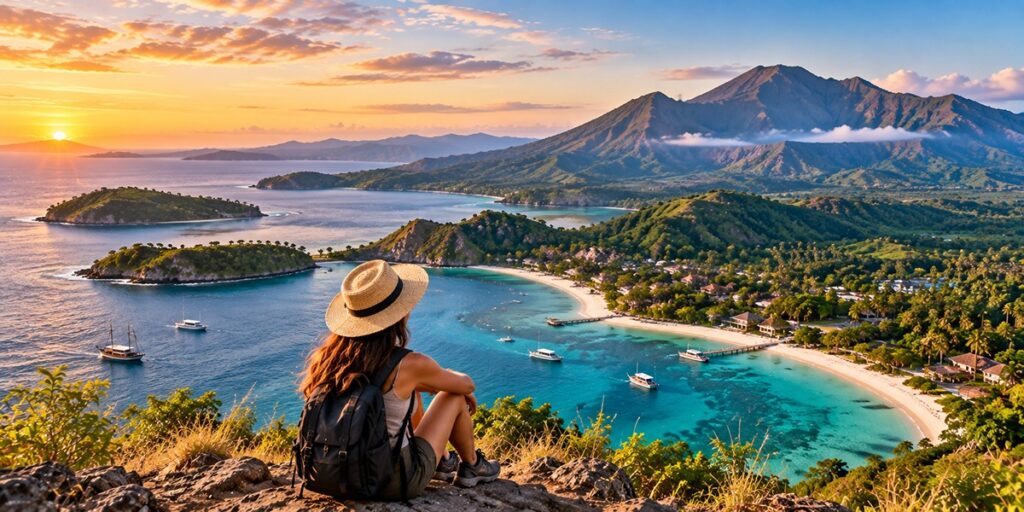
A couple of hours from Bali by fast boat, Lombok swaps the crowds and Hindu temples for unspoiled beaches and serious nature. Just off its coast sit the three Gili Islands, a long-running favourite for their car-free, unhurried pace. Best for: beaches without the crowds, trekking, easy island time · Highlights: the multi-day trek up Mount Rinjani, the car-free Gilis (Trawangan for buzz, Air and Meno for calm), quiet surf beaches · Getting there: fast boat from Bali, or fly into Lombok · Honest caveat: Rinjani is a real expedition, not an afternoon stroll come properly prepared and check its seasonal opening first.
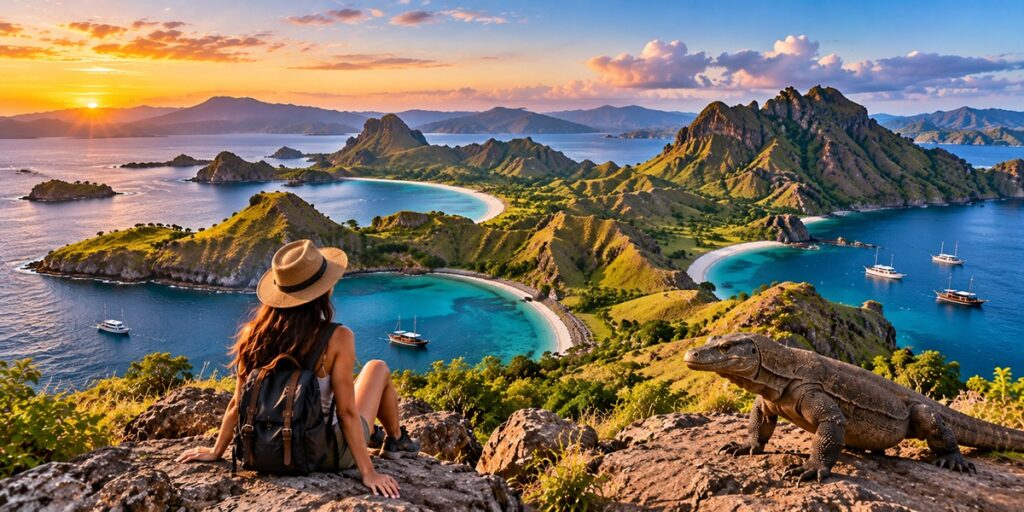
Flores, in East Nusa Tenggara, is where Indonesia starts feeling genuinely off-track while staying tourist-friendly. Its port town, Labuan Bajo, is the jumping-off point for Komodo National Park a UNESCO World Heritage Site since 1991, spanning Komodo, Padar, and Rinca islands (plus dozens of smaller ones) between Flores and Sumbawa where you can watch the Komodo dragon, the world's largest lizard, in the wild. Best for: first-timers wanting adventure, diving, wildlife · Highlights: the multi-coloured crater lakes of Kelimutu, the dragons and the Padar Island viewpoint, some of the country's best diving and snorkeling (manta rays off Komodo) · Getting there: fly into Labuan Bajo from Bali, or take the multi day boat from Lombok · Honest caveat: the interior turns remote quickly, and boat-tour quality is all over the map book with care.

Sumatra, the giant island to the west, is primal rainforest, volcanic peaks, and vast lakes, seen by only a trickle of tourists. It's a wilder, more demanding trip that pays off for travelers who'll take nature over polish. Best for: wildlife, jungle, adventure · Highlights: Lake Toba (the world's largest volcanic/crater lake) orangutan treks around Bukit Lawang, the highlands and standout food of West Sumatra · Getting there: fly into Medan (about 1.5 hours from Singapore or KL), then overland · Honest caveat: the roads are poor and the distances punishing two points that look neighbourly on a map can be 15+ hours apart, so plan a tight, focused route.
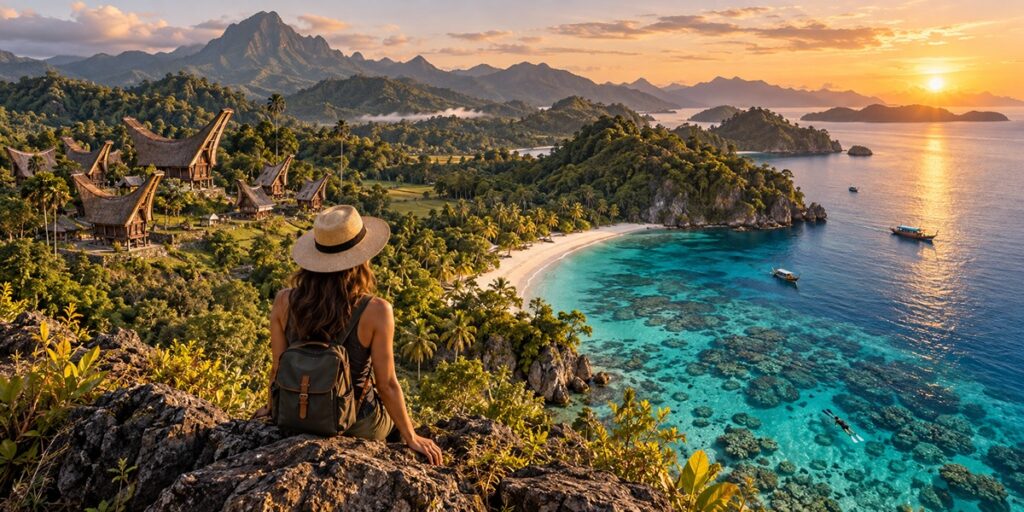
The strangely-shaped island of Sulawesi sits well off the usual trail and takes more effort to move around, but it repays that effort with singular cultures and superb diving. It suits travelers with a bit of experience who don't mind working things out as they go. Best for: unique culture, diving, off-path adventure · Highlights: the elaborate funeral traditions and carved houses of Tana Toraja, the world-class reefs of Bunaken and the Lembeh Strait, empty beaches · Getting there: fly into Makassar or Manado; inland distances are long · Honest caveat: the logistics are old-school long bus rides, overnight ferries so bring time and patience. the original post's "giant starfish" claim was removed as unverified.
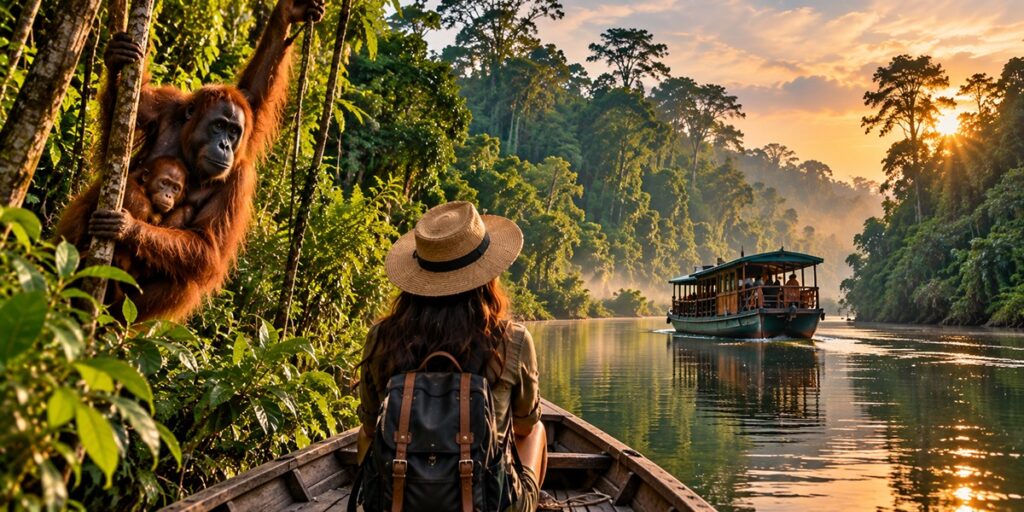
Kalimantan is the Indonesian slice of Borneo: endless rainforest, riverboats, and one of the best places on earth to see orangutans in the wild. Tourism is thin and the infrastructure limited, which is precisely the appeal if you're after real wilderness. Best for: wildlife, jungle expeditions · Highlights: orangutans at Tanjung Puting National Park, multi-day river safaris aboard a traditional klotok boat, Dayak culture · Getting there: fly into Pangkalan Bun for Tanjung Puting, where the tours run from · Honest caveat: it's remote and far less developed than Borneo's Malaysian side, and palm-oil deforestation has scarred some areas choose a responsible operator.
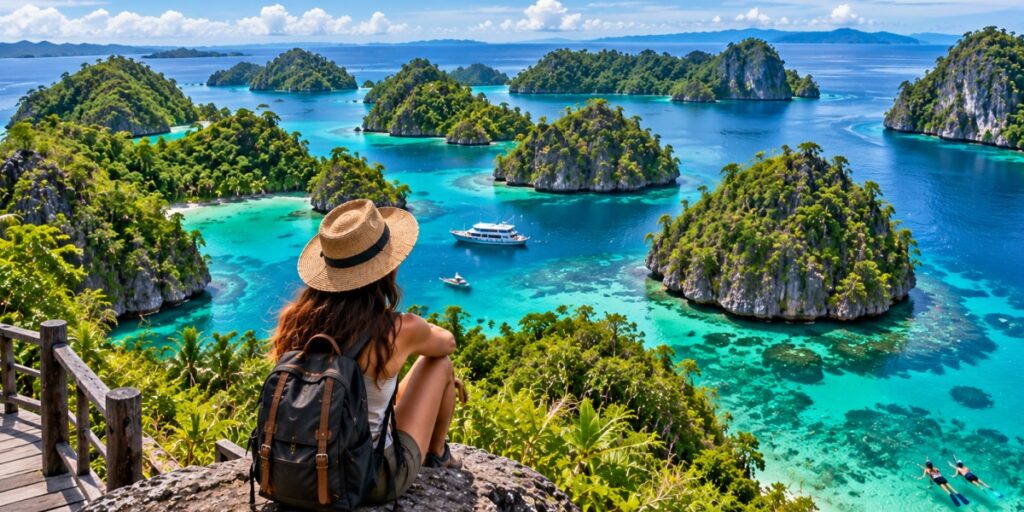
Off Indonesia's far-eastern edge, in West Papua, the Raja Ampat archipelago scatters hundreds of jungle-topped karst islands across turquoise lagoons. Its reefs rank among the most biodiverse on the planet, which is why divers speak about it the way they do. biodiversity claim and that Raja Ampat sits within West Papua. Best for: serious divers, remote scenery · Highlights: world-class diving and snorkeling, the postcard Piaynemo viewpoint, marine life that still feels untouched · Getting there: fly to Sorong (via Jakarta or Makassar), then boat out to the islands · Honest caveat: it's expensive almost everything has to be shipped in so it fits a higher-budget diving trip far better than a backpacker route.
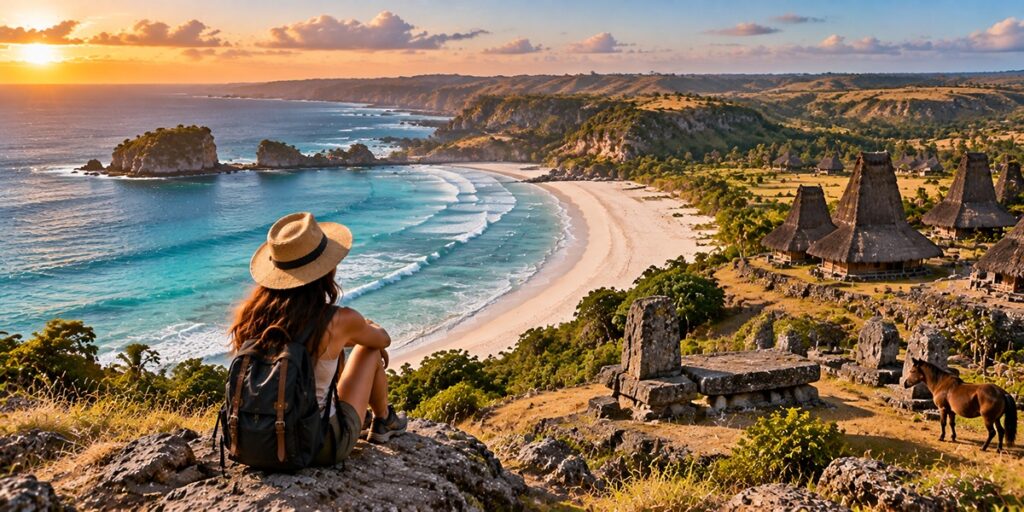
Sumba is a hidden gem even by Indonesia's standards. Until recently it saw barely any tourists, and it still feels genuinely untouched. When Bali or the Gilis start to feel like a crowd, Sumba's empty beaches and living tribal culture are the cure. Best for: off-the-beaten-path travelers, surfers, culture · Highlights: long, empty beaches, traditional Marapu villages and megalithic tombs, a handful of world-class surf breaks · Getting there: fly into Tambolaka or Waingapu from Bali · Honest caveat: the tourist infrastructure is thin and the sights are spread out you'll want hired drivers or your own vehicle.
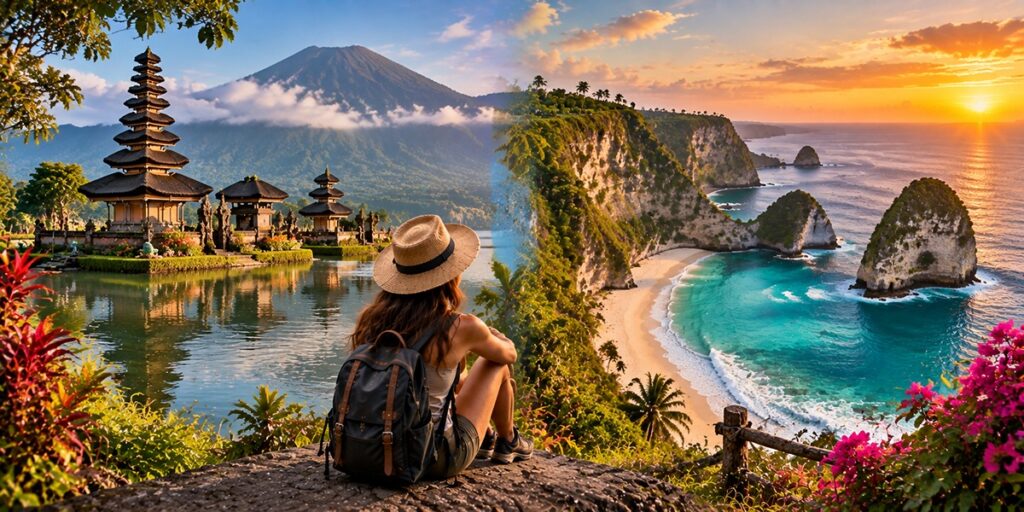
Time for the honest version, since plenty of guides won't put it this plainly: Bali is lovely and easy, and it's also wrestling with real overtourism, particularly across the developed south, where the traffic and crowds can genuinely take the shine off. None of that means skip it it means arrive with clear eyes. Lean into what Bali does better than anywhere (comfort, food, surf, effortless island living), point yourself at the quieter north and east, and think about pairing it with or trading it for somewhere like Flores, Lombok, or Sumba if space and authenticity matter more to you than convenience. Indonesia is enormous. Bali is one chapter, not the whole book.

At this scale, the sea and the sky are the roads. A few basics worth internalising before you book anything:
For everything else to line up before you fly, our international travel checklist covers the essentials.

Indonesia is broadly tropical, split into a dry season (roughly May–September) and a wet season (roughly October–April) though, true to form, it varies island to island. The dry months are the safer bet for beaches, diving visibility, and volcano hikes; the wet season runs greener and quieter, and tends to bring short, heavy downpours rather than all-day rain.

Island hopping Indonesia means a lot of ferries, a lot of remote stretches, and a lot of small towns where tracking down a local SIM burns half a morning and once you're off the main islands (Raja Ampat and inland Sulawesi especially), coverage gets patchy anyway. A travel eSIM Indonesia plan spares you all of that: set it up before you fly, scan a QR code, and you land already online for maps, ferry bookings, and check ins no card swapping at every airport. And if Indonesia is one leg of a bigger Southeast Asia trip, an eSIM Asia plan covers the wider region on a single plan. Installing it takes a couple of minutes.
It comes down to the trip you're after. Bali is the easiest all-rounder, Flores the best off-path pick for first timers, Raja Ampat and Komodo the top diving destinations, and Sumatra or Kalimantan the ones for jungle and wildlife. The chooser table above matches an island to your priorities in a glance.
Flores (for Komodo, Kelimutu, and easy adventure), Lombok and the Gili Islands (quieter beaches right next door to Bali), Java (temples and volcanoes), and Raja Ampat (world-class diving) are the standouts. For somewhere still under the radar, Sumba and Sulawesi deliver.
Raja Ampat is the headline act, for sheer biodiversity, with Komodo (those manta rays) and Bunaken in Sulawesi close behind.
Bali for ease and comfort, or Flores if you want adventure that's off-path but still tourist-friendly. Plenty of first-timers pair Bali with one other island and get the best of both.
Broadly, the dry season (around May–September) is best for beaches, diving, and hikes but it shifts by island, so check the specific one you're heading to.
Get your Airhub eSIM in minutes and travel without roaming surprises.
Download the Airhub app to purchase, manage and top up your eSIMs anytime, anywhere!