







Ready to try eSIMs and change the way you stay connected?
Download the Airhub app to purchase, manage and top up your eSIMs anytime, anywhere!
App exclusive5% off at checkout
cold-places-to-travel-in-summers
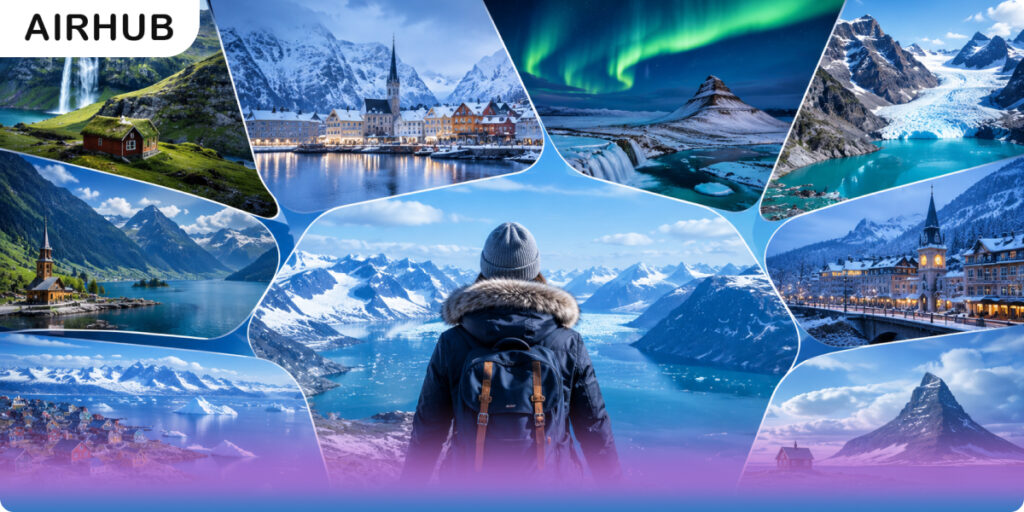
Looking to escape the summer heat? Many travelers wonder where is it cold in July. From snowy peaks in the Southern Hemisphere to frosty northern latitudes, there are plenty of cold places to visit in July getaway. In this guide, we highlight top chilly escapes, think New Zealand’s winter slopes, Patagonia’s glaciers, and Arctic vistas, where you can enjoy crisp air, unique scenery, and off-season quiet. We’ll cover climate highlights, travel tips, and even how to stay connected so you can enjoy your icy adventures without missing a beat.
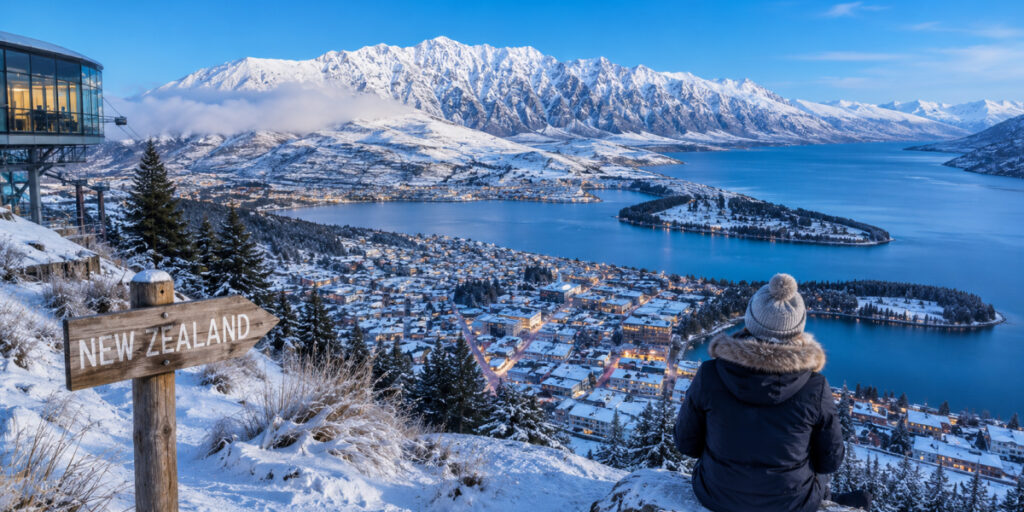
July is deep winter in New Zealand, making it a true cold country in July despite its temperate reputation. Daytime highs hover around 7–13°C (45–55°F), especially cold on the South Island. Ski resorts near Queenstown and Wanaka get plenty of snow, attracting winter sports fans. Even the North Island has chilly mountain passes (temperatures rarely freeze at sea level, but inland you’ll want layers). Snow is more common than rain in the Southern Alps, so winter coats and waterproof gear are a must.
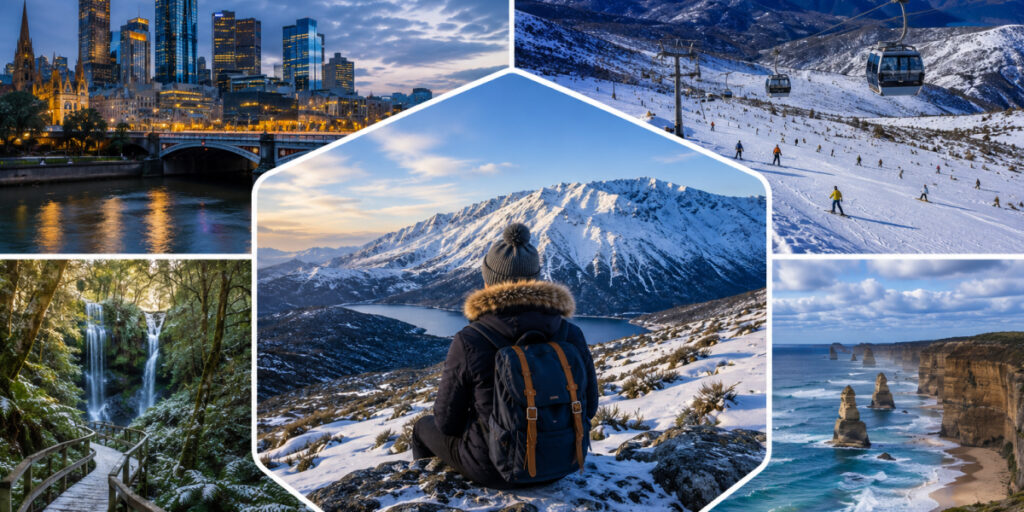
Yes, Australia is one of the cold countries in July. In cities like Melbourne and Sydney, highs are only about 13°C and lows around 7°C. Venture farther south or into the mountains, and the chill deepens. Tasmania’s highlands and the Snowy Mountains near Canberra drop to near freezing (even getting some snow). For example, Melbourne’s July average high is only 13°C. The ski fields at Thredbo or Perisher (NSW) and Falls Creek (Victoria) are bustling in July. Even if you skip skiing, wander Tasmanian forests or Victoria’s Great Ocean Road for brisk walks.
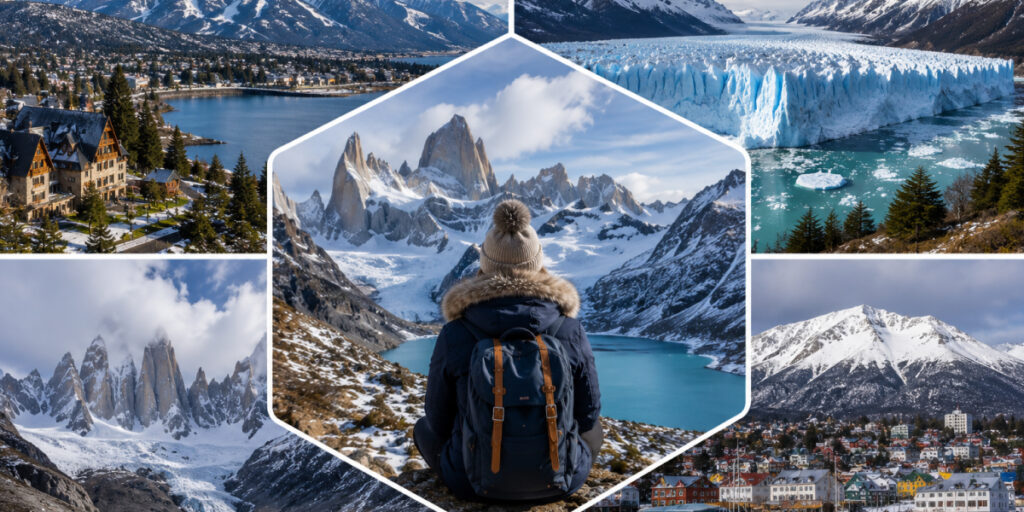
July is midwinter in Argentina, especially cold in Patagonia’s Andes making it one of the cold places to visit. South of the equator, places like San Carlos de Bariloche and Ushuaia see average highs near 7°C (45°F), lows below freezing. Bariloche is in the prime ski season (snow covers the mountains), and many peaks above 2000m stay snow-capped year-round. Tierra del Fuego’s Ushuaia is one of the world’s southernmost cities, often frosty at sea level. The glaciers (Perito Moreno, Fitz Roy) and winter festivals are highlights, and with fewer tourists, you’ll enjoy peaceful vistas.
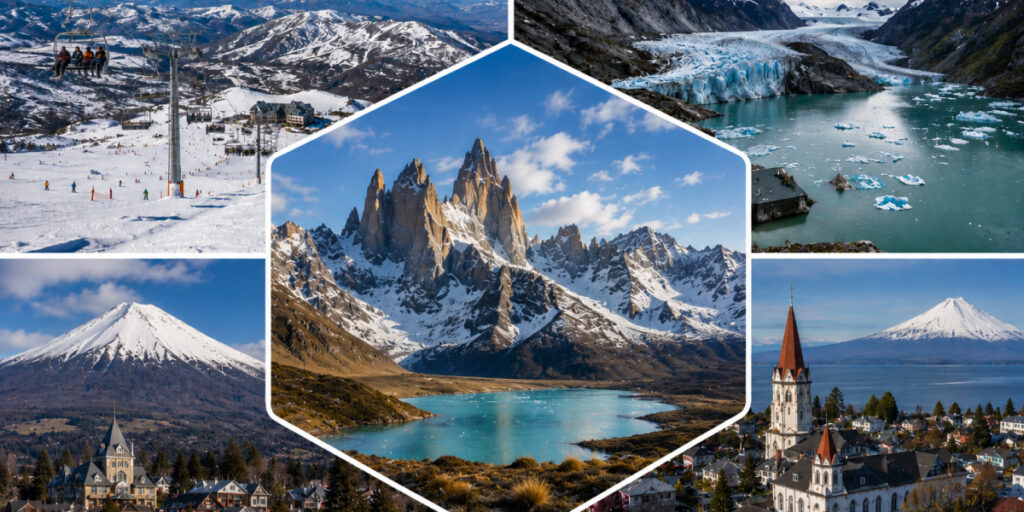
Chile’s long north-south range means cold spots even in summer. In July, ski resorts in the Andes (near Santiago or Villarrica) have fresh powder. Inland Patagonian parks like Torres del Paine are near freezing: average July highs are just ~2°C (35°F) with lows around -3°C (26°F). These cold places in July are great for adventure tours, snowshoeing, glacier hikes, or simply admiring the dramatic fjords and volcano silhouettes. Further north, temperatures warm up (Santiago hits ~18°C), so if you want more chill, head well south or up into the Andes. Lake District towns (Puerto Varas, Pucón) also get winter fog and snow.
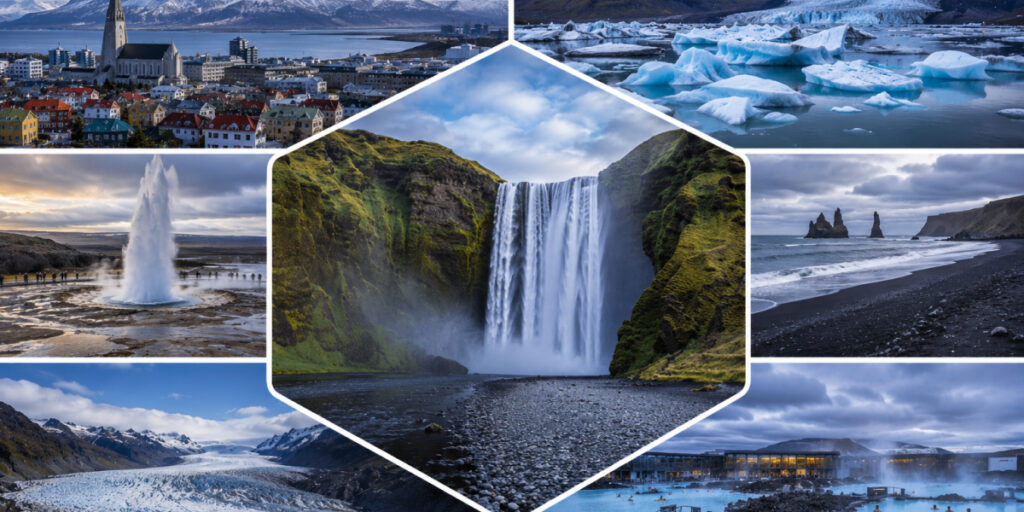
Iceland is surprisingly mild, but still one of the cold countries in summer. Reykjavik in July averages only about 57°F (14°C) for a high, with rain and gale winds common. In other words, July days feel chilly compared to typical summer destinations. This makes Iceland an ideal cold place to visit in July: you can comfortably explore glaciers, geysers, and waterfalls without the crowds or deep freeze of winter. Long daylight (midnight sun) lets you sightsee around the clock. Beyond the capital, pack a windbreaker and waterproofs for Vatnajökull Icecap hikes or road trips around the Ring Road. Hot springs (like the Blue Lagoon) feel extra luxe when the air is brisk.
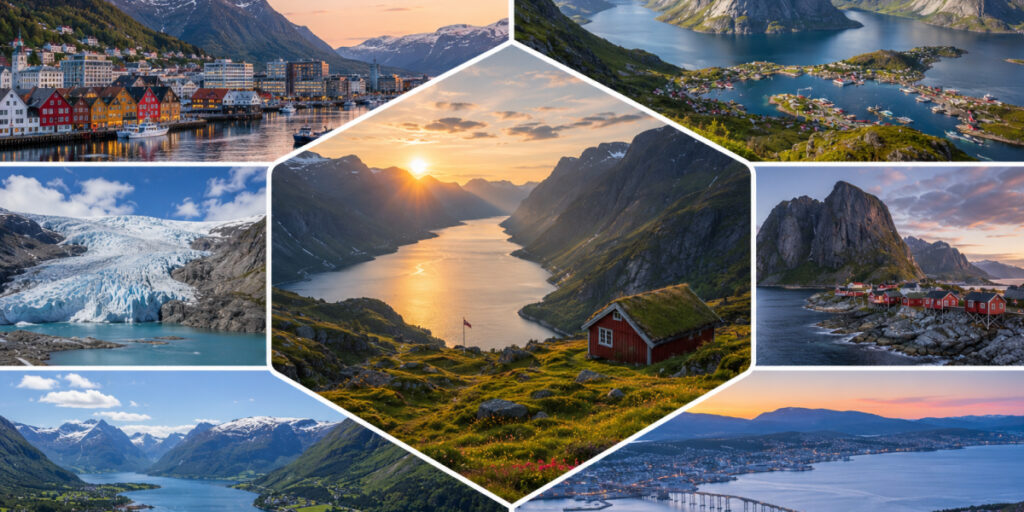
Norway’s summer is not dark, but it can still be cool. Even the July fjord and coastal weather usually stays below 20°C. In the Arctic north (Tromsø, Lofoten), July highs barely reach 15°C, with cool nights around 8°C. The days are endlessly bright (midnight sun!), which is magical for hiking and wildlife spotting. Think glacier valleys, Nordic cruises, and summer skiing on Folgefonna glacier. In southern cities (Oslo, Bergen), warm days up to 25°C occur, but mountain passes and fjords can drop quickly after sunset. So Norway in July is a cold country in summer, where you trade heat for long sunny evenings and brisk, breathtaking landscapes.
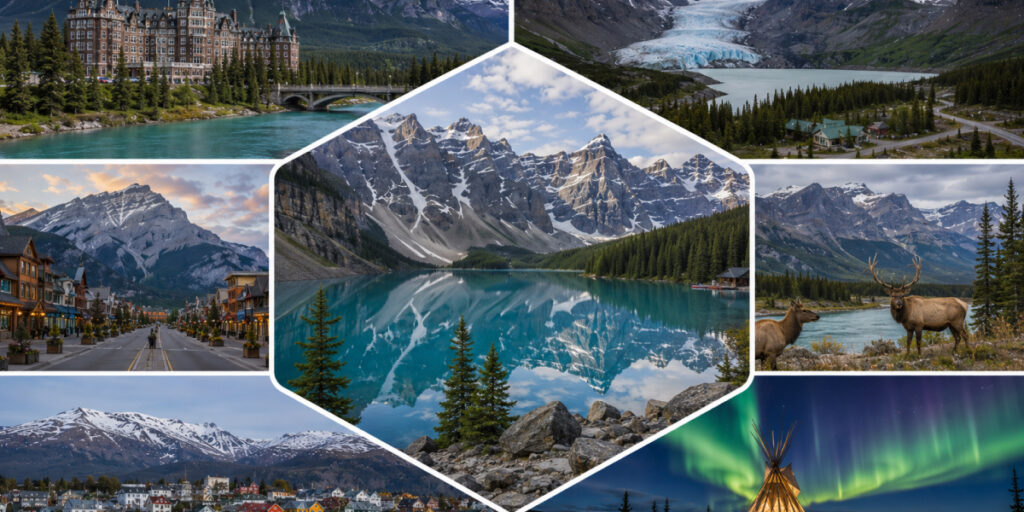
Canada is vast, so cold places in July depend on where you go. Coastal British Columbia is mild, but the Rockies and northern territories are still cool. For example, Whitehorse in the Yukon sees July highs of only 16°C (61°F) and lows near 6°C (43°F). Banff and Jasper National Parks (Canadian Rockies) often stay below 20°C even on summer days and can have snow at high passes. Lake Louise’s turquoise water is fed by glaciers, a snowy backdrop in July. On Canada’s eastern side, Labrador or Newfoundland sees similar coolness. Opt for high-latitude or high-altitude locations if you want a real chill.
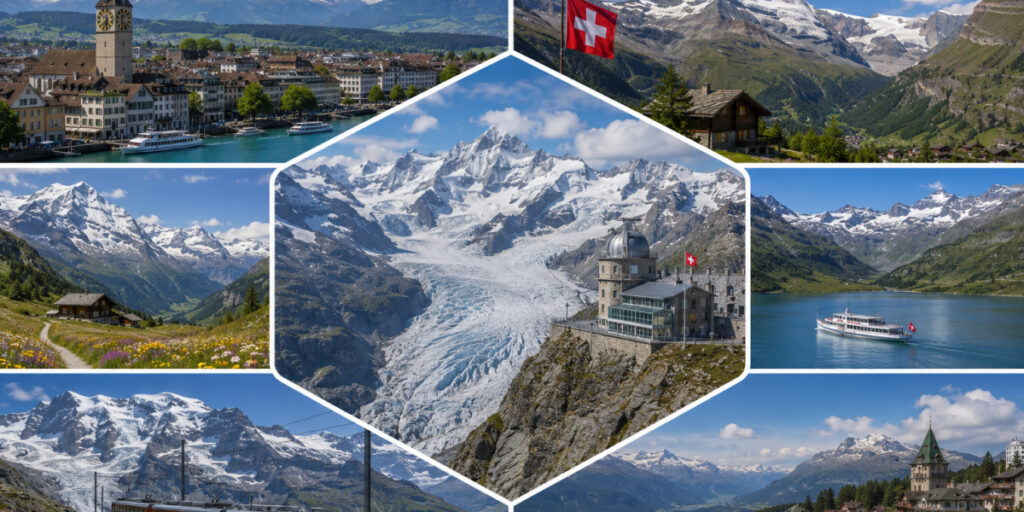
Switzerland is one of the classic cool places to visit in Europe if you stick to the high altitude parts. Towns in valleys (Zurich, Geneva) warm up nicely, but mountain villages do not. In Zermatt or St. Moritz, July averages are around 16°C high and 7°C low, cool enough for short sweaters. The high passes and glaciers (e.g., Jungfraujoch, 3454m) still have snowfields; top cable cars may even have year-round snow. Take summer ski lifts or glacier hikes at pretty quiet, since it’s not peak ski season. Meadows bloom below while ice remains up high. Even boats on the Alpine lakes feel cool with that crisp mountain breeze.
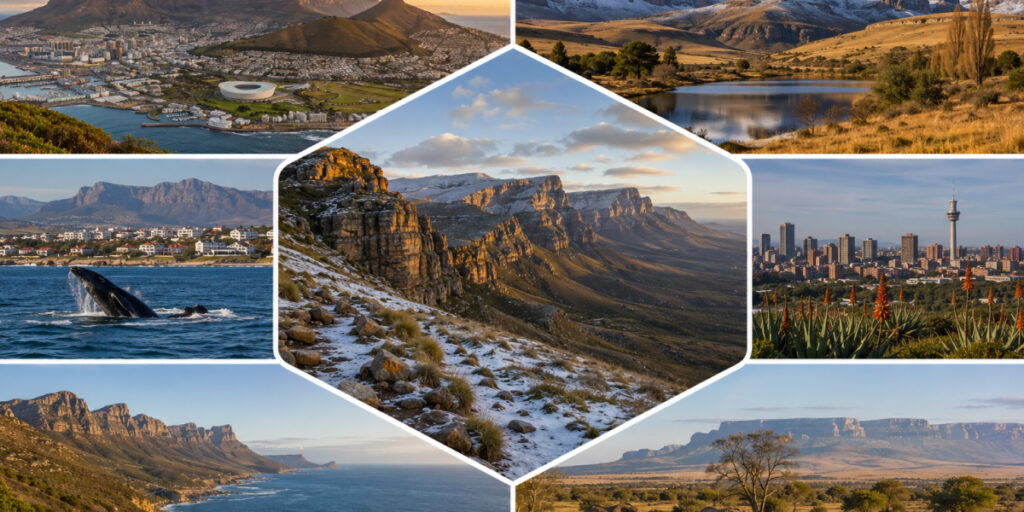
If you are wondering: where is cold in July? You must visit the Southern Hemisphere’s winter. Cape Town has typical July highs around 17°C (63°F) and lows of ~9°C, so mornings are crisp. Pretoria and Johannesburg are similar, around 17°C day/4°C night, and the Drakensberg Mountains even see frost or light snow. National parks (Kruger isn’t cold, but highland parks like Golden Gate in Free State are cool) offer dramatic scenery under winter skies. The long days are dry and sunny (it’s the dry season). Pack a jacket for evenings, and enjoy uncrowded routes. South Africa’s winter highlights: whale watching near Hermanus (cold waters!), or hiking Table Mountain in cool weather. It’s a cold country in July in the sense of a southern winter, but still mild enough for outdoor adventure.
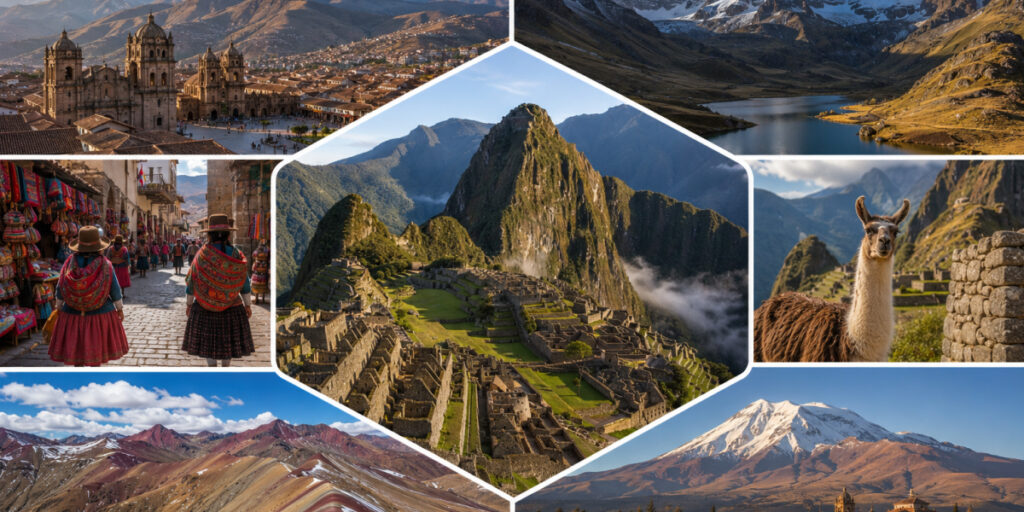
July is winter in the Andes, and altitude makes it feel cooler. In Peru’s highlands (e.g. Cusco, altitude ~3400m), days can hit 18–20°C but nights plunge to near freezing. AccuWeather data shows Cusco averages about 66°F (19°C) by day and 31°F (-1°C) at night in July. Machu Picchu mornings may be in the low 40s°F. It’s dry season, so clear skies abound, but layers are mandatory once the sun drops. This cold country in summer destination for hikers and history buffs: fewer clouds and cooler trekking temperatures. Bring wool socks for the nights and sip coca tea for warmth. Remember, summer sun at altitude can still burn, sunscreen plus warmth is the trick.
If you are going in a cold country this summer, here is what you should not ignore:
Ready to book that frosty getaway? Don’t let roaming hassles freeze you out. If you choose to buy eSIM online with Airhub it gives you data in 190+ countries (no physical SIM swap needed) so you can download maps, stream music, or call home from even the most remote cold country in July. Their app lets you pick regional data plans on the go, keeping you online through snowy landscapes and mountain passes.
From New Zealand’s winter slopes to Greenland’s iceberg-dotted fjords, these icy locales prove you don’t have to wait for December to enjoy the chill. Each cold place to visit in July has its own vibe, ski thrills, midnight sun hikes, or serene arctic scenes, but all share crisp weather and fewer crowds. Pack layers, keep connectivity close (hint: Airhub eSIM), and embrace the cold for an unforgettable summer break. Whether you seek adventure in the Andes or quiet lakes in Finland, these destinations stay fresh and cool when the Northern Hemisphere turns up the heat.
Popular picks include southern hemisphere nations like New Zealand, Australia (Tasmania and the Snowy Mountains), Argentina, Chile, and even South Africa for winter landscapes. In the north, Iceland, Norway, Canada, Switzerland, Finland, and Greenland all offer chilly July weather and snowy scenery.
Think high-altitude or high-latitude spots: Queenstown (NZ) or Bariloche (Argentina) for skiing, Chile’s Patagonia for glaciers, Lapland (Finland) for midnight sun forests, or Nuuk (Greenland) for an Arctic cruise. These places stay cool while most of the world sizzles.
Absolutely, July is off-peak (except some ski areas), so you’ll find quieter sights and lower prices. Southern winter destinations have snow or cool temps, and many northern spots get long daylight. Just be ready for cold nights and possible snow at altitude.
Generally no. It’s winter in Southern Hemisphere spots and shoulder season for high altitudes, so fewer tourists. Ski resorts might be busy on weekends, but most attractions are emptier than in summer. Plan for holiday weekends, but expect less crowding overall.
Use a global travel eSIM or portable hotspot with good coverage. Services like Airhub offer prepaid data plans for dozens of countries, so you won’t need to hunt for local SIM cards. It’s handy for maps, photos, and emergency calls from remote cold locations.
Get your Airhub eSIM in minutes and travel without roaming surprises.
Download the Airhub app to purchase, manage and top up your eSIMs anytime, anywhere!